Getting Started With Oregano: A Guide To Growing Oregano At Home
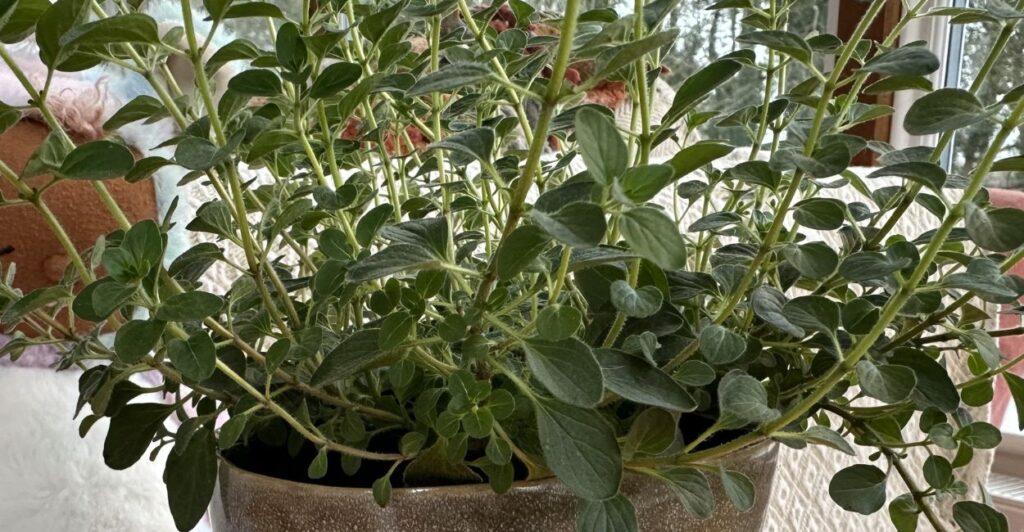
Welcome to the wonderful world of oregano! I love this beautiful, delicious, virtually indestructible herb. It survives almost anywhere, makes my pasta sauce taste fantastic, attracts bees to my garden, and is tough enough that I can let my small children help plant and care for it. What more could you want?
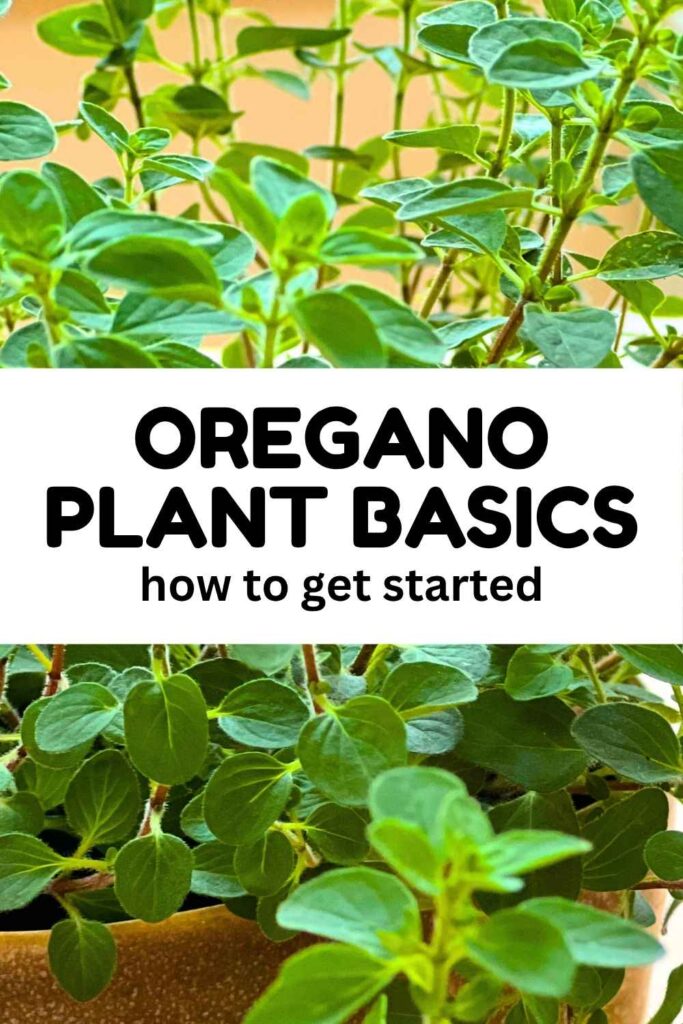
Oregano originated in the Mediterranean but is now found growing wild across much of Europe. In the UK, where I live, native oregano is often known as wild marjoram. It can sometimes be spotted in hedgerows and on roadside verges, especially in chalky or limestone-based soils.
While foraging for wild marjoram can be fun, it’s always safest to grow your own at home. Homegrown oregano is easy to care for, produces more flavourful leaves, and gives you a steady supply for cooking throughout the year.
Let’s take a look at how to grow oregano successfully. There are several types of oregano, so we’ll start by making sure you have the right variety!
Popular Oregano Varieties To Grow At Home
Most oregano plants and seeds sold by garden centers are varieties of Origanum Vulgare – also known as Wild Marjoram, or English Marjoram. This species is widespread across much of europe, and there are a few excellent varieties to choose from. If you’re growing for cooking, the best thing you can do is get along to a plant nursery and gently rub a few leaves and sniff them, to see which you like best! But for those who need to order online, here’s a quick summary.
The three most popular subspecies of oregano are Italian, Greek, and Golden Oregano. Italian is your safe middle ground – a bold but sweet, ‘classic’, flavor typical of tomato based sauces including pizza sauce. Greek is stronger, more peppery, and better at ‘standing alone’ rather than being blended with other herbs. And Golden Oregano, or Oregano Aureum, is a milder, sweeter, plant.
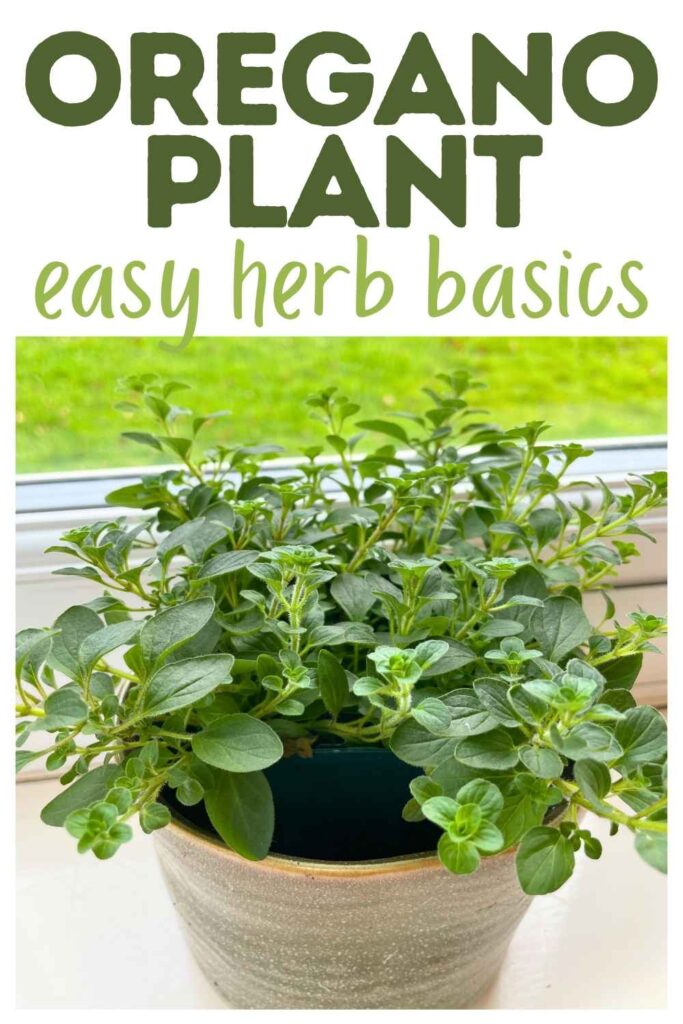
Lookswise, I prefer golden oregano, which has a yellower (more golden!) leaf for lush ground cover. Greek oregano is a greyer color, and Italian has a bigger, greener, leaf.
There are a number of separate species of oregano too. Some are more ornamental (less tasty) or have a very different flavor. Origanum Syriacum, for example, known as white oregano or Za’atar, has a more pungent, middle eastern style of flavor – more ‘spicy’ than ‘herby’ in profile. And there are more types being developed all the time through cross breeding, that experiments show have different unique flavor and oil profiles. (Int J Mol Sci)
Once you’ve chosen your preferred type of oregano, it’s time to think about where it’s going to live!
Oregano Likes Mediterranean Levels Of Light
Oregano loves sunshine. Your plant will need 6-8 hours a day of full sun in order to give you maximum growth and flavor. Less light means less energy for producing the tasty oils that give oregano it’s distinctive taste. A south or east facing windowsill or balcony, growlights, or a bed with full sun for most of the day, will give you the most flavorful leaves. The exception to this is if you are growing your plants outdoors in a very hot climate, in which case partial shade can help maximise essential oil concentration in your plants (Saudi J Bio Sci).
In general, studies show that the more you can replicate your Oregano’s natural wild growing conditions, the better it tends to do (Horticulturae). Which probably shouldn’t be a big surprise!
Oregano Likes Mediterranean Soil
Let’s take that idea of natural habitat a bit further. Organo thrives (and tastes best!) on rocky Mediterranean hills, in light, nutrient-poor, soil that drains well. Very nutrient rich soil can help your plant grow nice and big, but with a lower percentage of’ the oils that give the leaves flavor (Agronomy). So to set your plants up for tasty success, I recommend buying a good quality potting soil, and thinning it out by mixing through some sand or perlite. This improves drainage and reduces the nutrients in the compost a bit.
Mixing up potting soil is a messy business. Which means if you have children they will love to do this job for you! I like to chuck a Tuff Tray (search ‘messy play tray’ or ‘mixing tray’ if you don’t have one) out in the back yard, and give two 5 year olds a lovely half hour of fun mixing up soil and filling pots for me, while I drink tea and supervise. It’s not an exact science, so don’t worry if some of their pots are a bit more sand heavy than others, just aim for at least half potting compost. Give each pot a sneaky stir when they aren’t looking to even the mix out.
And now you’re ready to get planting.
Growing Oregano On Easy Mode
The easiest way to get started with oregano is to buy a young plant or two from a local garden center or nursery (or to be donated one that a friend has grown!). Established plants will have a strong root system, which helps improve their chance of surviving the early days of life in the new environment of your kitchen, conservatory, or back yard.
Keep your new plant in its current pot for a few days while it adjusts to it’s new environment, and then consider potting it up into one of those potting soil mixture pots we discussed above.
Growing Oregano From Seeds
If you’d like the satisfaction of growing your own plant, oregano can also be propagated from seeds, or from cuttings. I find both options very satisfying in the longer term – but they do require some patience. Time can feel like it’s crawling, while I’m waiting for those little roots and shoots to appear!
It’s best to start your seeds indoors. Fill a bedding tray with moist compost and sprinkle the seeds on, and dust them with a light layer of extra compost. Pop a clear propagator lid on, to keep them warm while still receiving light, or place them on a warm sunny windowsill. Wait patiently for up to 3 weeks for the seedlings to appear, keeping the compost moist but not wet. I find this easiest to do with a little spray bottle.
Once the seeding have a few leaves each, gently transplant the seedlings to their own small pots, filled with your home made potting mix. Transplant plenty of seedlings, because they are fragile and won’t all survive. But just put one in each pot, to avoid overcrowding, which can invite pathogens in under the extra foliage.
Growing Oregano From Cuttings
Cuttings are another fun way to grow your own plant from scratch. All you need is a few stems from a friend’s plant; but do ask permission first, before snipping! One bonus of cuttings is that the new plant will be genetically identical to the parent plant – so if your friend’s plant is particularly robust and healthy, or has a flavor you love, the new plant is likely to be similar in character.
Cut several soft green stem tips, roughly five inches long, from the parent plant. The best place to cut is just above a leaf node. Strip the lowest few leaves off, to give an inch or two of clear stem. Then stand your cuttings with their cut, stripped, end in a clean glass of water, and… wait. And wait. And wait some more. After a week, replace the water to freshen it up, and then keep waiting!
Your cuttings can take anything from 1 to 3 weeks to develop roots. They tend to grow best in springtime, and studies show that adding a little Aloe Vera gel, a natural root promoter, may help speed things up (Hort Argentina). This isn’t essential but you may like to give it a try if you have an Aloe plant on hand!
Once a cutting has several two inch (5cm) long roots, it’s time to transfer it to its new home, in it’s own pot of mixed soil. Try to let the roots hang down, and fill the soil in around them, rather than folding the roots up. If you’re planning to plant your oregano outdoors, let it grow up a bit in its pot indoors first, before transferring it outside.
So now you have at least one oregano plant growing nicely, let’s look at how to keep it happy.
Oregano Is Not A Fan Of Water
It’s very easy to overwater oregano, especially if you’re growing it in pots. Oregano evolved in dry climates and is extremely good at managing with in drought-like conditions. It likes lots of air through the soil, to help provide oxygen to the roots. Overwatering clogs the soil and drowns the roots, which lets pathogens invade and can rot the roots. Root rot kills plants really fast.
To keep your plant happy, mimic a natural rainfall pattern of wet soil that dries out before being rained on again. A simple way to do this is to regularly check the soil with a finger. If it feels dry all the way to your first knuckle, it’s time for water.
Research shows that ‘moderate water stress’ (being a bit low on water) also increases essential oil production in oregano (Ind Crops & Products), which may make the flavor stronger. Just in case you need a bit more incentive to water sparingly.
Haircuts For Herbs
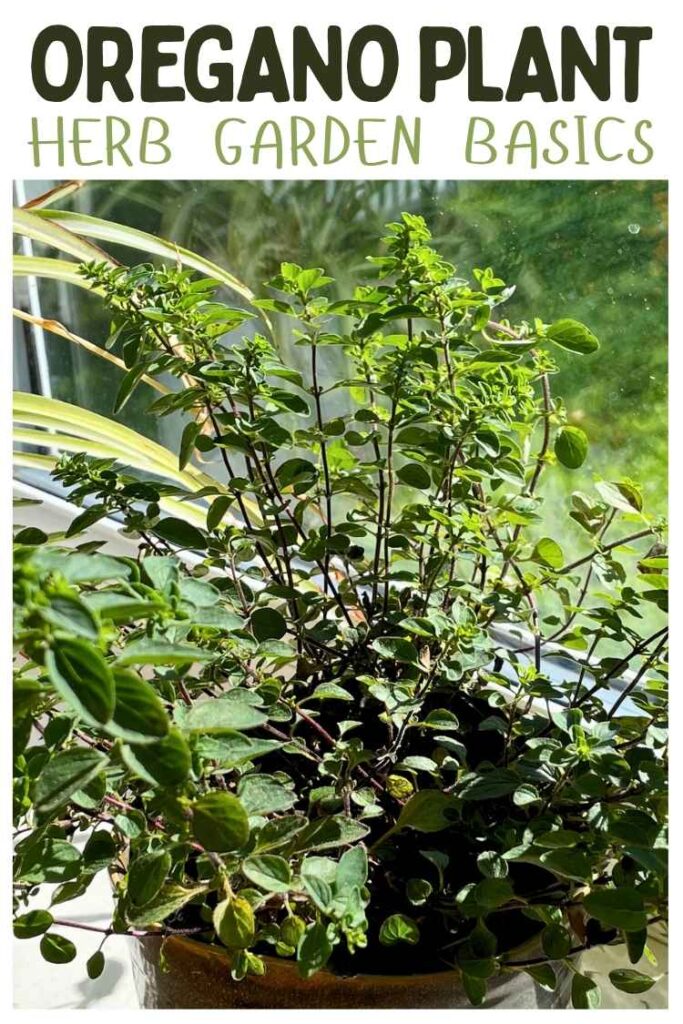
Oregano likes to be pruned. Once your plant is established, don’t be afraid to harvest tasty stems for your cooking on a regular basis. Pruning frequently helps your plant grow more vigorously, and grow out instead of just up. It also improves airflow, which protects the stems from damp-loving pathogens.
Remember how we cut just above a leaf node when we took cuttings to grow? That’s because plant hormones naturally encourage growth at the nodes. Cut just above a node when you harvest, or prune, too. Your plant will then make new shoots at the node, getting a bice bushy shape. Over time the new shoots will replace what you’ve taken, and then some.
Home Dried Oregano
If you’d like to cut extra stems to dry, instead of just ‘cutting as you cook’, the best time for excellent flavor is usually just before the plant is ready to bloom (more on flowers in a minute!). Hang your harvested stems in small bundles in a dry, well ventilated space. The water will evaporate gradually, leaving the flavorful oils behind.
Crush the leaves once they are nice and crispy, and pop them in an opaque air-tight container. This preserves the flavor really well, so remember, a little will go a long way when you come to use your home made dried oregano.
Flowers Or Food… But Not Both
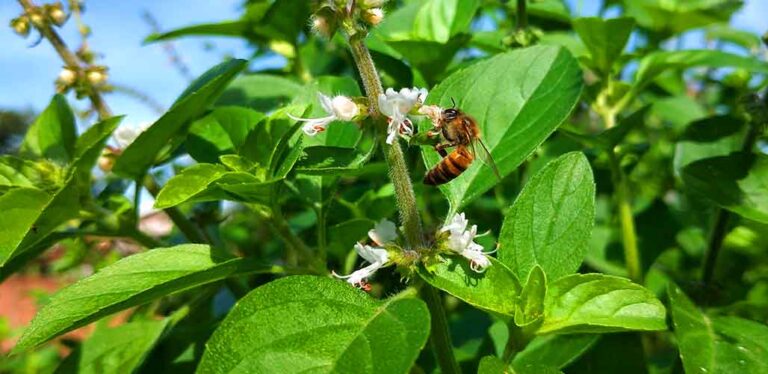
Oregano flowers are very pretty, and I like to let at least some of mine bloom in my garden. Bees love it, and it even attracts the occasional butterfly.
But plants that are putting energy into growing flowers, are not usually putting much effort into other types of growth. Once oregano starts to bolt (put out flower stems) the leaf production decreases, and the flavor intensity often decreases too.
If you want to keep harvesting your oregano for longer, it’s best to pinch off any buds as soon as they appear, to redirect energy back into growth.
Common Oregano Pests… Are Not Common
Oregano parents don’t need to worry too much about pests. The oils oregano produces are natural insect repellants (Insects, 2021) and provide a innate defence against bacteria, too (Insects, 2024). A recent study even showed that the carvacol oil in oregano repels fire ants (Pest Management Science). Scientists are quite excited about this – but do be aware it hasn’t yet been tested for use on humans!
This insect defence isn’t perfect, and oregano can still be vulnerable to aphids and spider mites, especially if your plants are overcrowded or sitting in poorly draining soil. You can help protect them by giving them lots of space, so the foliage has great airflow, and dries out well between waterings.
Expanding Your Oregano Empire
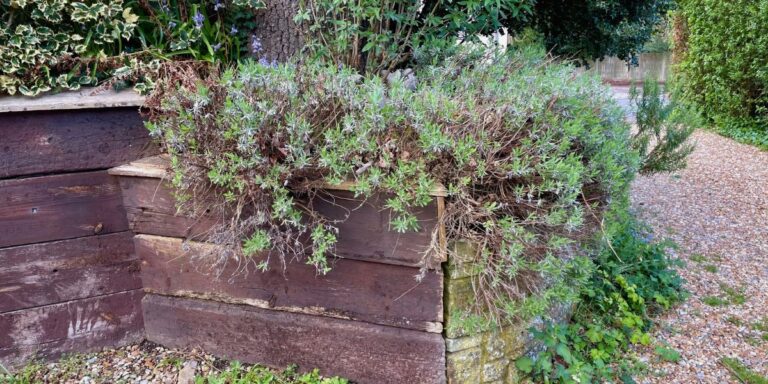
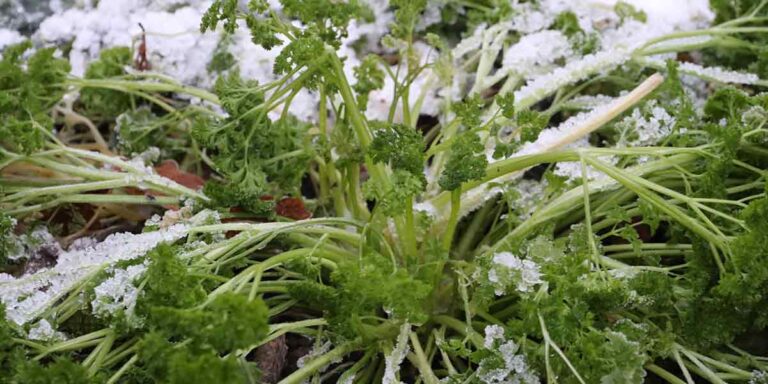
One oregano plant today can lead to a bounty next year. It’s a great survivor even outdoors, coming back year after year in milder climates. Planted in a larger bed, it will naturally spread from the roots over time, providing very pretty ground cover. If you don’t want your oregano merging with the next herb over, or taking over completely, consider allocating it to it’s own pot! This is also helpful if you have very hard frosts, and can pop your pot under shelter in the winter.
As your plants grow, you can split them into separate containers, or grow more from cuttings, until you’ve gone from Oregano Beginner to the best source of new plants for all your friends and family.
References
“Creation of New Oregano Genotypes with Different Terpene Chemotypes via Inter- and Intraspecific Hybridization”. Sun et al. International Journal of Molecular Sciences. 2023. https://www.mdpi.com/1422-0067/24/8/7320
“Modification of Light Intensity Influences Essential Oil Content and Composition of Oregano”. Milenkovic et al. Saudi Journal of Biological Sciences. 2021. https://pubmed.ncbi.nlm.nih.gov/34764769/
“The Yield, Chemical Composition and Antioxidant Activities of Essential Oils from Wild and Cultivated Oregano”. Illic et al. Horticulturae. 2022. https://www.mdpi.com/2311-7524/8/11/1042
“Nitrogen Effects on the Essential Oil and Biomass Production of Field Grown Greek Oregano (Origanum vulgare subsp. hirtum) Populations”. Ninou et al. Agronomy. 2021. https://www.mdpi.com/2073-4395/11/9/1722
“Aloe Vera Evaluation in the Rooting of Cuttings of Origanum vulgare”. Boschi et al. Horticultura Argentina. 2017. https://www.horticulturaar.com.ar/en/articles/aloe-vera-evaluation-in-the-rooting-cuttings-of-origanum-origanum-vulgare-l.html
“Intraspecific divergence in phytochemical characteristics and drought tolerance of two carvacrol-rich Origanum vulgare subspecies: subsp. hirtum and subsp. Gracile”. Emrahi et al. Industrial Crops and Products. 2021. https://www.sciencedirect.com/science/article/pii/S0926669021003216
“Bioactivity of Different Chemotypes of Oregano Essential Oil against the Blowfly Calliphora vomitoria Vector of Foodborne Pathogens”. Bedini et al. Insects, 2021. https://www.mdpi.com/2075-4450/12/1/52
“Antimicrobial Activity of Origanum vulgare Essential Oil against Staphylococcus aureus and Escherichia coli” Tejada-Munoz et al. Insects, 2024. https://www.mdpi.com/1424-8247/17/11/1430
“Repellent effect of oregano essential oil and carvacrol analogs against imported fire ants” George et al. Pest Management Science, 2025. https://scijournals.onlinelibrary.wiley.com/doi/abs/10.1002/ps.70297