How To Get Started With Mint (And Put It To Good Use)
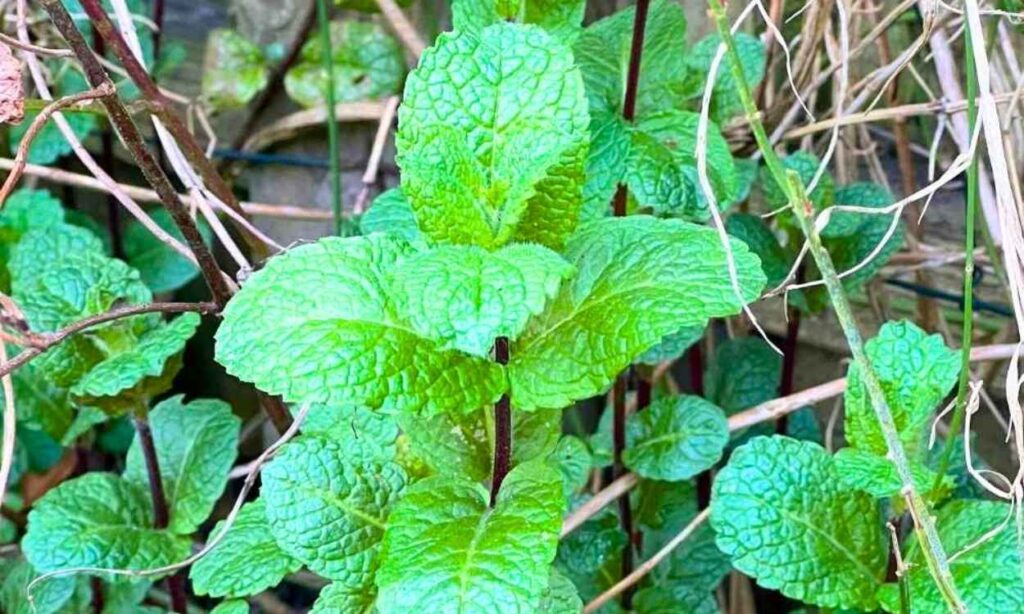
I love mint with a passion. It’s hard to believe that something that tastes so good, can be so easy to grow. But it really is as easy as one, two, three. And I’ll give you some quick tips to get you started
That’s the good news.
The downside to mint is that getting started is the easy part. This is a plant with an enthusiasm for living that is rarely seen in herbs.
Containing that enthusiasm is the tricky part. So I’ll also give you some tips to make sure that your tiny new culinary friend does not take over your backyard entirely!
A plant with world domination in mind
Mint spreads mainly via its root system. It sends out underground runners in all directions. And the runners then send new plants shooting up to the surface at intervals.
There’s nothing casual about the spread of these runners. They grow, and send up shoots, at the speed of an olympic sprinter, and can rapidly shade out and suppress other plants growing nearby.
So if you are growing mint outdoors, unless you have plenty of space it will often be better off in a large pot rather than a flower bed.
Getting your first mint plant
If you have a friend with a mint plant, then you can simply snip some cuttings off it, and root it in a glass of water. When I tested a variety of different herb cuttings in water, mint was by far the quickest to send out roots.
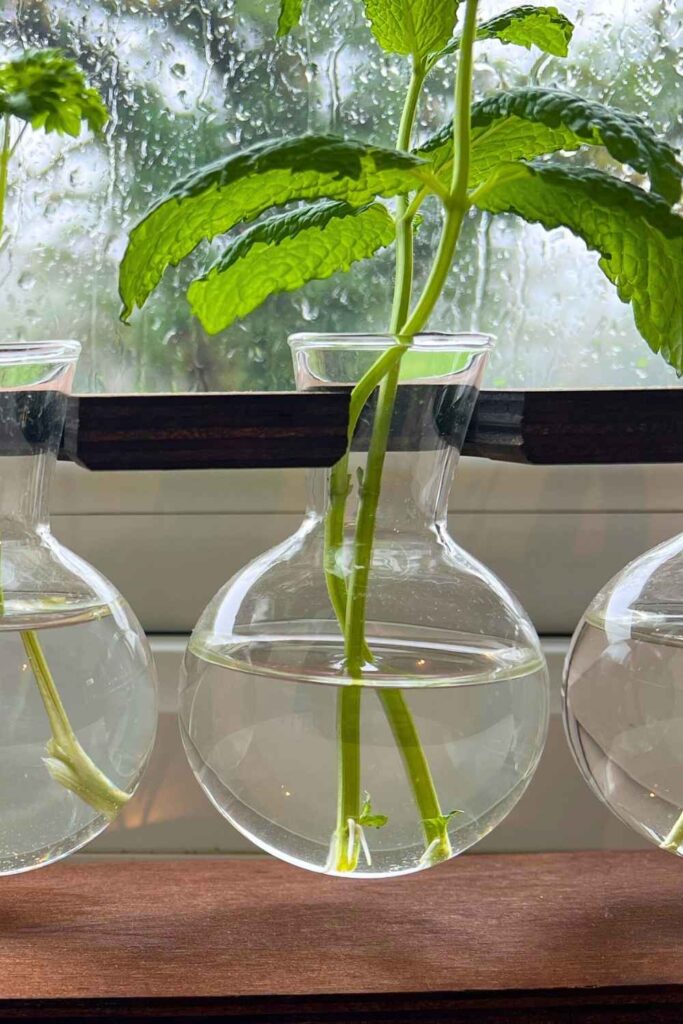
You can read up on how to do this here: Growing Herbs In Water.
Another simple solution is to buy some living mint from a grocery store to get you started. You can then make as many new plants as you like using the method I describe in that article.
You can also dig up shoots from mint that’s growing outdoors as they pop up. You’ll cut through the runner as you do this, but the mint plant won’t mind at all. We’ll talk about planting your cuttings in a moment.
Growing mint outdoors
Mint is hardy so you can grow it outdoors in most areas. It will tolerate temperatures well below freezing.
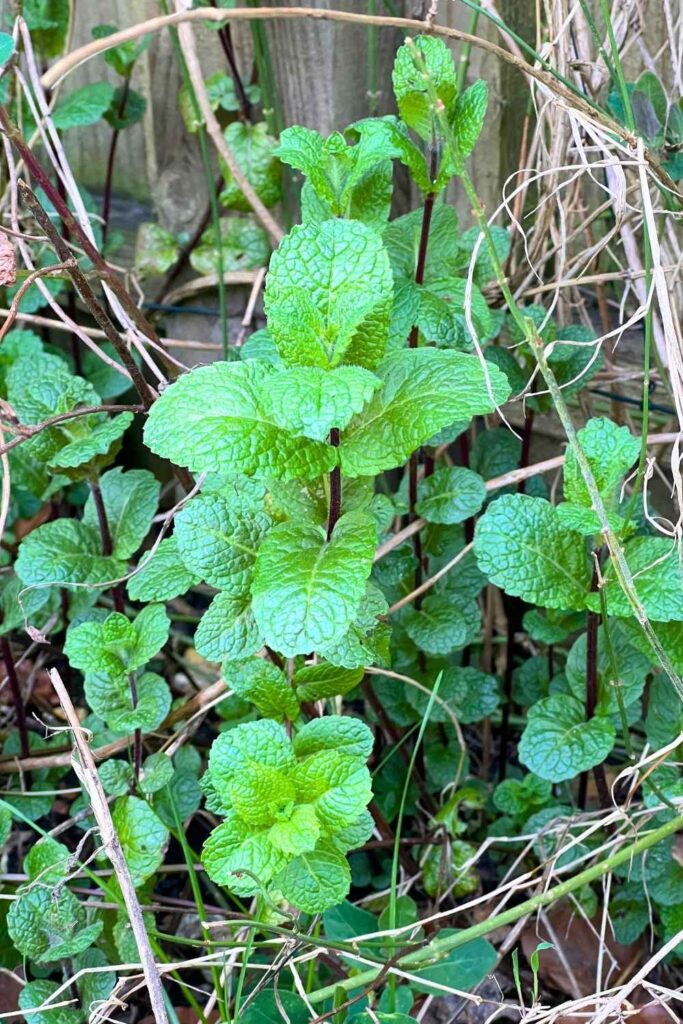
If there’s an extended cold spell the parts of the plant above ground will die back but those determined runners will send up lots of fresh new shoots in the spring. And your mint patch will soon be as if it never went away.
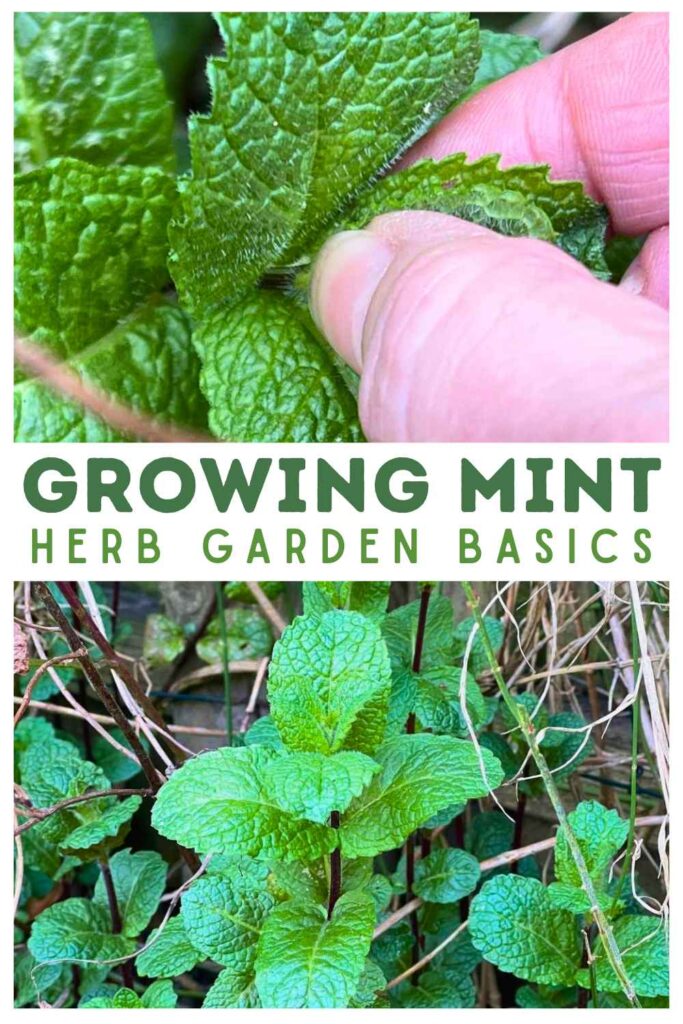
This is my mint in early March, we are still getting frosts at night, but the new shoots are happy enough.
I said that growing mint was easy, and it is. But there is one way to kill mint quite quickly, and that’s to let it get very dry for more than a few days.
So if you want to just plant it and forget it until you need it, you need to think about the best location for your herb.
Where to plant your mint
If you plant mint directly into the ground then pick somewhere that retains moisture. I have a big patch growing around an outdoor tap. Mint loves drips and spills!
Suggested locations for mint plants
- Bank of ponds or edge of swamp gardens
- Near outdoor taps
- Up against climbing plants
- Base of fences (if damp)
Avoid planting mint in full sun if the soil is likely to dry out completely. It’s usually happier if it’s in shade for some of the day, unless there is an inexhaustible supply of water (bank of a stream for example) or you enjoy filling watering cans.
My mint likes the partial shade that this old fence provides and it plays nicely with the climbers (mainly clematis and honeysuckle) which are just starting to appear here in early spring.
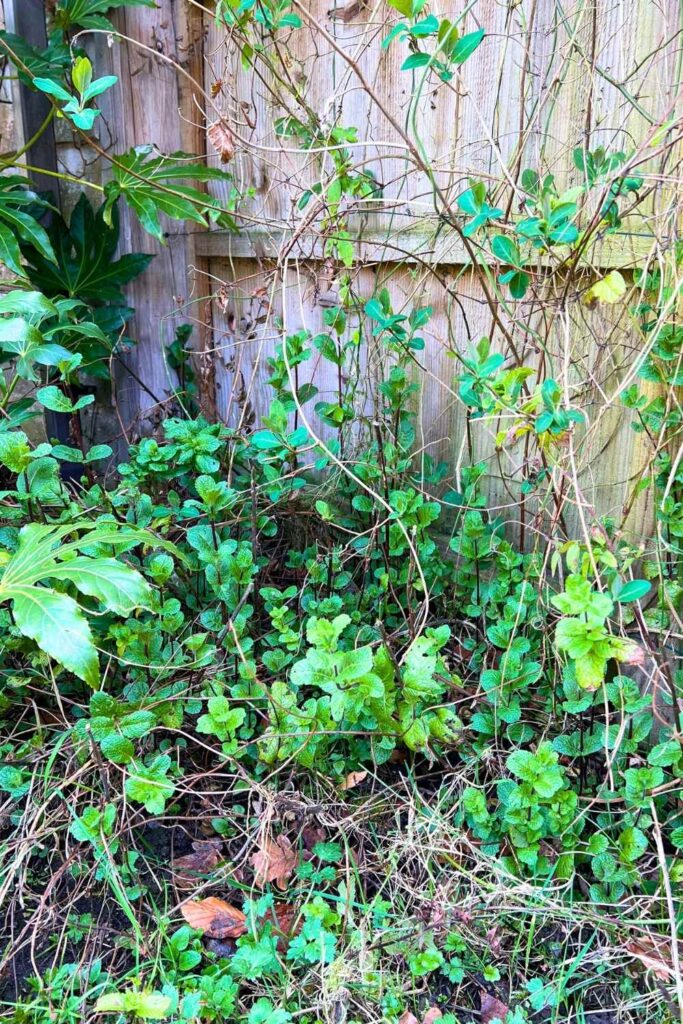
The clematis is able to avoid being shaded out by the mint as most of its foliage is higher up
Caring for a baby mint plant outdoors
Once you’ve chosen a damp and location, dig a hole and pop your mint plant into it.
Clear any surface vegetation or weeds away from the stem for an area of about six inches so that your new plant has a chance to get started without competing for water and light.
Then for the next few days water very thoroughly, morning and evening.
Once the plant is settled and starting to grow new branches, you can just water it if the weather is very dry.
Growing mint in a container outdoors
The benefits of growing mint in a pot are that it can’t take over your yard. And that you can put it near your back door so it’s easy to grab a handful when you are cooking.
If you plant mint in a container, place the container somewhere where you will remember to water it frequently. It’s hard to overwater mint.
And unless you routinely water twice daily in hot weather, your mint planter will be happier in partial shade. And it will cope with as little as four or five hours of sunlight a day
Trimming and harvesting your mint
Every time you snip off the central stem of a growing mint shoot just above the leaf nodes, it will reward you by sending two more shoots out. Once they are making leaves of their own, you can then snip of those two shoots in the same way. Now you have four shoots. And so on, ad infinitum.
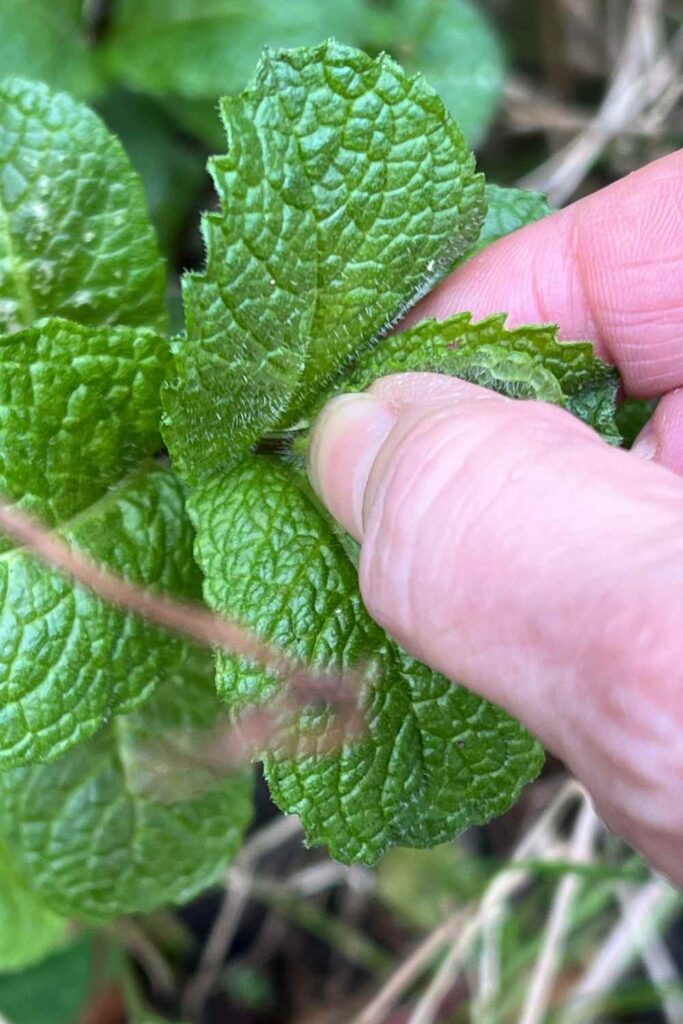
This is how you create a nice bushy plant instead of a tall leggy one. And regular trimming prevents your mint making flowers.
Don’t throw those tender shoots away, they make great eating. And you can harvest mint all through spring, summer and fall. The more you cut it, the happier it is
What do do with all that mint
Mint shoots add a delightful flavor to salads. They are perfect with new potatoes tossed in butter. And peas just don’t taste the same without them.
But that’s not all.
Grab some yoghurt and make your own cucumber and mint raita, or try a chopped mint pesto with pasta.
You can also add mint to fruit cordials, and fruit salads. You can even sprinkle chopped mint over chocolate ice cream. Delicious!
And if you don’t want to step outside to harvest your delicious herb, then I have some good news, because you can also grow mint indoors
Growing mint indoors
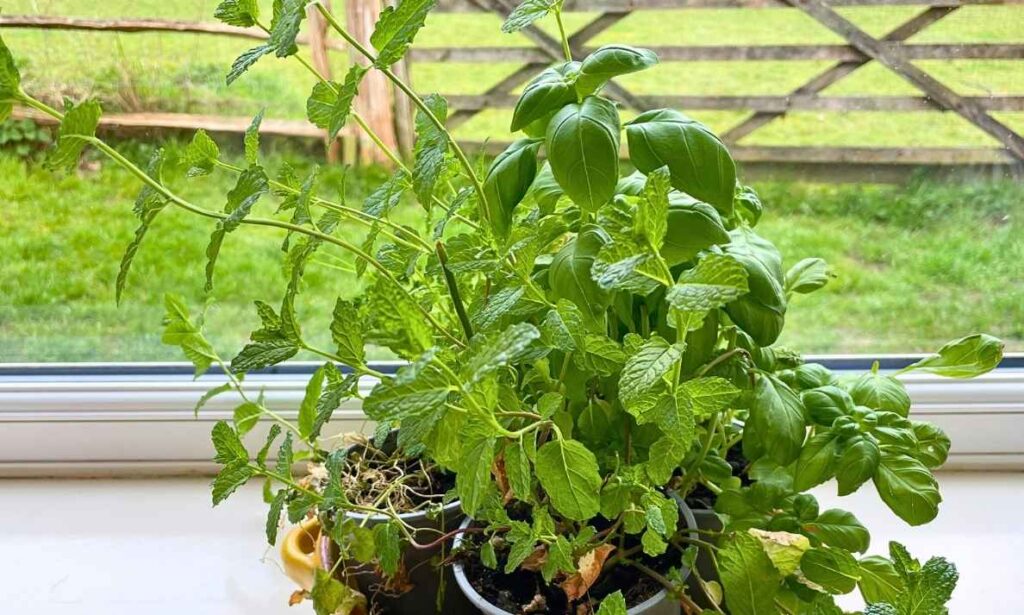
Just as with outdoor mint, the key to success with indoor mint is watering. Mint will grow on most windowsills, but it will grow leggier and less bushy than its outdoor cousins.
To maximize that bushyness and prevent your mind heading skywards in a desperate quest for light, make sure it’s getting six or more hours of sunlight. And keep trimming back those shoots.
You can find out more about getting the best from indoor herbs here: Window Herb Garden, Pros, Cons & Tips
Mint is the best!
Mint is a great plant to get you started with herb gardening, both indoors and out. It’s tough and very forgiving. And a great way to fill in those wild corners in your yard that you tend to forget.
Remember, it’s a pretty determined plant so if you want it contained in a small area, put it in a container.
However you decide to grow it, mint will shrug off most of your beginner mistakes and reward you with so much flavor.
I hope you enjoy getting started! Let us know how you get on in the comments below.
You might also enjoy