Getting Started With Chives: A Guide To Growing Common Chives At Home
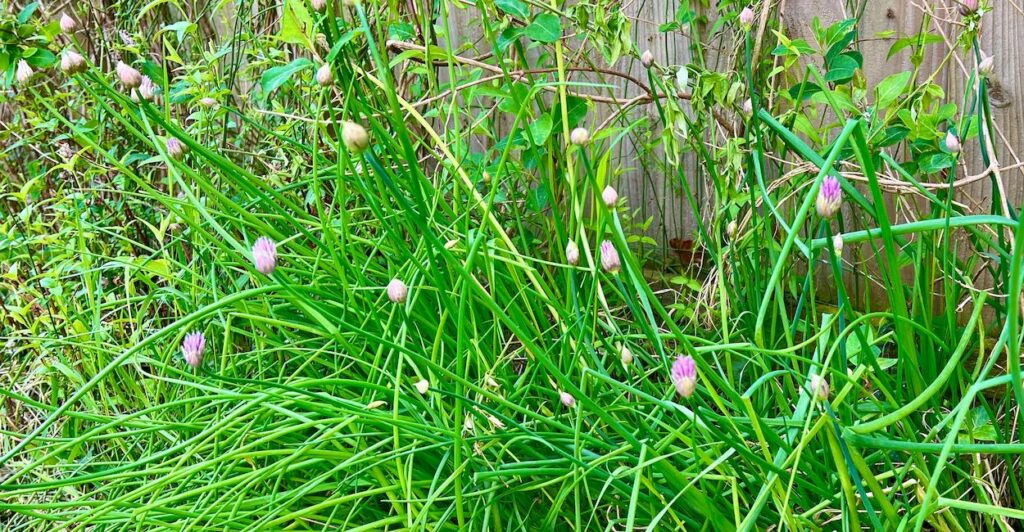
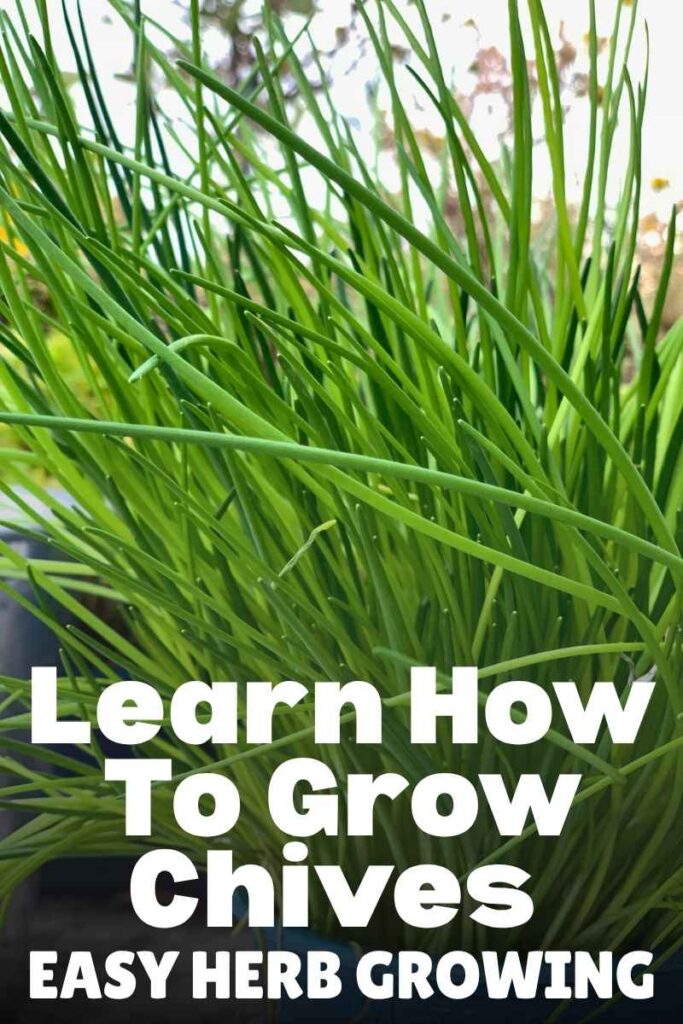
Meet the chive plant. A hollow leaved, grass-like, herb, that tastes like onions, is related to garlic, and makes every thing you cook feel a just little bit more fancy.
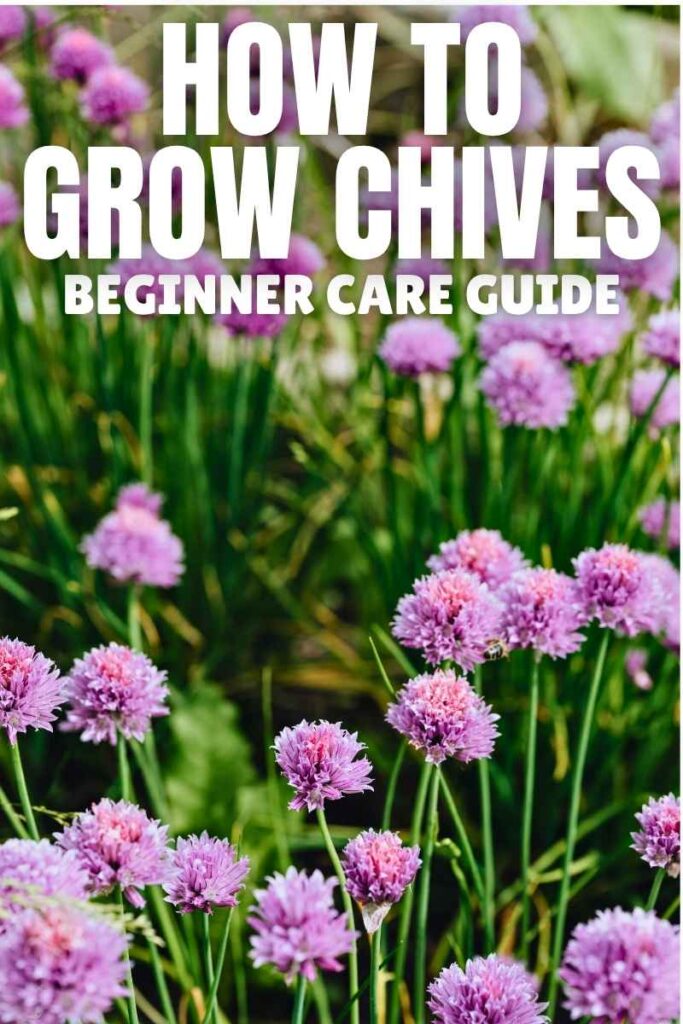
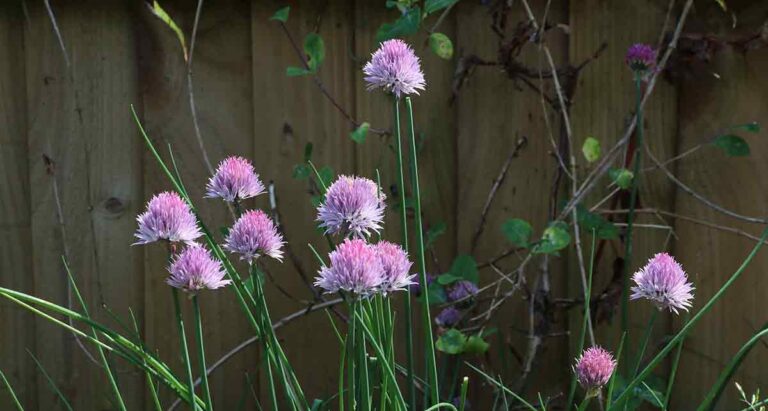
Chives are part of the allium family, which also includes garlic, onions, and leeks. They have the same types of sulfur containing compounds that those plants do, which is why chives taste like mild, less sharp, onions. They’re best eaten fresh and raw, and are my go-to garnish for summer side dishes like potato salad and egg salad. Their lovely bright flowers can be eaten too, or left on the plant to delight your local bees.
I grow all my chives outdoors in pots, in a sheltered sunny courtyard just outside my kitchen door. But they’re just as happy planted in beds, or kept indoors, in easier snipping distance. Their hollow leaves are great for preserving water, so they are forgiving of forgetful gardeners. And they can even survive frost, dying back in winter and coming back even stronger the following spring.
Chives are perennial, so they regrow each year for several years. My oldest chive plants do have a bit of a scruffy look to them; they’ve expanded in whichever direction they most fancy. But the flavor continues to be just as good as when i first started them.
To help you get started with your own chive plants, lets take a look at the different types of chive, and
One, Two, Three, Four, Chive(s)
Confusingly, we use the name ‘chives’ for multiple different species of plant. The most well known are Common Chives (Allium schoenoprasum), Ornamental Chives, of which there are several varieties, and Garlic Chives (Allium tuberosum), also known as Chinese Chives. All three are Alliums, from the onion family, and all three are technically edible.
Some of the ornamental varieties of chive are just fancy types of common or garlic chives, bred for looks over flavor. Some ornamental varieties are completely different species altogether. If you want to grow chives for looks alone, ornamental varieties have a lot to offer – but standard chives look great too, and I prefer my herbs bred for flavor first, looks second!
Common Chives, the subject of our article today, have round hollow tubes for leaves, and distinctive, round, purple, flowers. They taste mildly onion like. I use them when i want the kick of fresh onion in my cooking, without the sharpness of scallions or salad onions. I recommend choosing a variety of Common Chives that is intended for eating, in order to get the best flavor. If the plant nursery will allow it, I actually like to break a leaf off and taste it, before buying a new chive plant.
Garlic Chives have white flowers and flat leaves that, unsurprisingly, taste like garlic. They’re popular in Chinese cooking, and make a great companion plant for common chives, if you fancy growing both.
Starting Your Chives Adventure
There are a few different cultivars of common chives, that grow taller, or with white flowers, for example. But if you don’t have a specific look in mind, any standard ‘Allium schoenoprasum’ plant will look great and taste great too. So there’s no need to go hunting for specific variants.
There are two easy ways to get started with a new chive plant, and one slow but perhaps more satisfying way. The easiest way is to buy a plant. Almost as easy is dividing an existing clump of chives. And the slow option is to grow chives from seed.
If you buy a plant from a specialist nursery, it will be likely to be healthy, and ready to harvest almost straight away. All you need to do it plant it in it’s new location, and start enjoying it!
A grocery store plant is a little cheaper, and often easier to get without making a special journey. But grocery store chive pots tend to hold a mass of overcrowded baby seedlings, rather than a mature plant. This means they are more likely to succumb to diseases, or just fail to thrive. If you do buy grocery chives, I recommend splitting them into several different pots, and giving them a lot of love, for the best chance of a happy outcome.
The next easiest option is to divide a mature ‘clump’ of chives in spring or fall, to create two separate plants. This will give you a mature plant that’s ready use for cooking. If you have a friend whose chives are taking over the herb bed, offer to very kindly take some off their hands. This is also a great way to spread more chive plants around your own borders, once your first plants are established.
Growing Chives From Seeds
If you’d like to grow your own plant from scratch, seeds are the way to go. You can buy chive seeds very easily at stores and garden centers. I picked ours up in the local grocery store. The brand and quality is identical to those sold at our nearest plant nursery.
I am very much a ‘seed packet gardener’ – the guidance on seed packets is usually very reliable. My chives packet says ‘sow thinly in pots of moist compost’ and ‘cover lightly with compost’. I agree! Chive seeds need light to germinate, so don’t bury them deep in the soil. Just scatter them on top and then lightly ‘dust’ them with a thin compost blanket.
Pop your pots on a sunny windowsill. Spritz them now and then with water to keep everything moist. It can help to cover them with a clear plastic bag to trap the warmth and moisture while they germinate. Or if you have a seed tray with a clear propagator lid, that’s great too. Once the seedlings pop up, in 10-14 day time, take the cover off if you used one. Transplant them to 6 inch pots once they are sturdy enough to move. If you’re growing them indoors, this pot will be your chives’ long term home. If you’re planting outdoors, move pots outside for increasing periods each day until they are used to the temperature, and then plant them in your chosen spot.
I find I get a better success rate germinating indoors, but chives will also germinate outside without a propagator cover in spring. Just thoroughly weed or mulch the ground first, and wait til frosts are over. If you sowed your seeds outside in a flower bed, thin out your seedlings (pull out alternate baby plants in crowded areas) intermittently until the established plants are about 8 inches (20cm) apart. This helps give each plant good airflow and prevents overcrowding.
Top Tip: Eat your thinnings! They are tiny but tasty!
What Chives Like (and What They Don’t Like!)
Chives evolved in rocky environments across Europe, Asia and North America. So they’re built to efficiently preserve water. They love long sunny days, well draining soil with plenty of organic matter in it, and moderate, but not excessive, watering. If possible, place your chives where they will be in full sun for most of the day. Six to eight hours of light is ideal for growing plenty of healthy leaves, with good flavour.
Chives are not terribly picky about how much water they get. But if in doubt it’s better to underwater than overwater them. What they love most is consistently moist soil, that doesn’t dry out and then get flooded again! (This is quite different from a lot of mediterranean herbs like rosemary or oregano, that prefer a ‘rainfall pattern’ of watering. It’s best not to just water all your herbs on one schedule!)
Indoors, water every few days, when the top of the soil feels dry. Chives like to sit in moist soil, that isn’t soaked through. Outside you may need to water more often in hot weather, and less in the winter.
Too much water on your chives creates waterlogged soil, with low oxygen levels around the roots. This is a perfect environment for root rot and fungal pathogens. You can help reduce the chance of this happening by planting in well draining soil, or in a good quality potting mix if you’re planting in containers.
Using compost or a potting mix will also help give your chives the organic matter they like to have in their soil. Chives like a little bit of fertilizer now and then. But if you give them too much fertilizer, they grow too fast, and build weak floppy leaves. This is less attractive to look at, but also makes your plant less able to cope with challenges such as pathogens or environmental stress. And it can make their flavor weaker too. So start with a good quality potting mix, and just add a little fertilizer at half the recommended strength, every 6-12 weeks.
Pests and Pestilence
Perhaps I’m just lucky, but my chives tend to be pretty healthy. That oniony smell comes from sulfur compounds that repel some pests. And in my experience it works pretty well. Chives are ‘officially’ still susceptible to aphids, but (touch wood) I’ve found my chives tend to stay aphid free, even when my runner beans are covered in the pesky things!
And I recommend following my forgetful lead, by erring more towards underwatering than overwatering… it seems to have kept my chives free from fungal diseases, on the whole.
A little ‘benign neglect’ goes a long way!
Trimming Your Chives
Once your plant is established, don’t be shy about harvesting from it. Cutting some the leaves from your plant triggers hormones that stimulate new growth at the base, and helps keep your plant fresh, tender, and green, instead of tougher and more woody. The earlier you harvest your leaves, the better their texture tends to be.
Trimming your plant also keeps it tidy. Cut the leaves at the base to keep things looking pretty, and for best stimulation of new growth. There’s no need to trim the flowers – flowering can actually improve chive flavor, and chives tend to grow plenty of new leaves even while flowering. But the flowers are edible, if you’d like to trim some off for a fun addition to salads. They taste similar to the leaves, but a little milder.
If you’re growing chives outside, you can leave any dead flowers to fall naturally, where they will seed the soil below. Or trim the dead flowers back if you’d prefer not to be blessed with extra chives next year!
Speaking of Next Year…
Chives are much better at coping with frost than most herbs. If you have mild winters, expect your outdoor chives to die back in autumn, and then burst back into life the next spring. This ‘rest period’ helps give your plant lots of lovely new growth, so it will feel worth it when the new shoots start to appear.
In the meantime, if you’d like a longer harvesting season, I recommend keeping a pot indoors too, to use later in the year. Using grow lights will help trick your chives into thinking it’s not winter yet. But they won’t grow as enthusiastically until they’ve had their winter break.
Last But Not Least….
If you’ve enthusiastically trimmed more chives than you need, freezing the clippings is the best solution. Or pop them in the fridge if you plan to use them in the next couple of days. Chives don’t dry well, they tend to lose a lot of flavor. Freezing slows the breakdown of the flavor molecules in your chive leaves, and helps the flavor last longer.
The very best things to do with fresh chives is to eat them. Check out our ‘Things to Do With Chives’ article for lots of delicious ideas!
Chives Are A Lazy Gardener’s Dream
Chives are so reliable. Mine forgive me for ignoring them, love it when I trim them, and pop up year after year, a little more tatty but just as tasty, and bigger than ever.
They are the quickest, easiest, way to make an egg salad or potato salad look more professional and taste more yummy. And they keep the bees buzzing around my patio pots all summer.
I really hope you find yours as fun and rewarding as I do!
References
“Allium schoenoprasum”. Missouri Botanical Garden. https://www.missouribotanicalgarden.org/PlantFinder/PlantFinderDetails.aspx?kempercode=j270
“Chives”. University of Illinois, College of Agricultural, Consumer & Environmental Sciences. https://extension.illinois.edu/herbs/chives
“How to grow chives”. RHS. https://www.rhs.org.uk/herbs/chives/grow-your-own
“Growing chives in home gardens”. University of Minnesota Extension. https://extension.umn.edu/vegetables/growing-chives
“Influence of the environment on growth and development of chives (Allium schoenoprasum L.). I. Induction of the rest period”. Krug & Folster. Scientia Horticulturae. https://www.sciencedirect.com/science/article/abs/pii/0304423876900431