The 8 Easiest Herbs to Grow for Absolute Beginners
Growing your own herbs isn’t just a healthy lifestyle choice, and it isn’t just a great way to take your cooking to the next level. It’s also fun. Or at least it’s meant to be!
I’ve been growing herbs on my kitchen windowsill and outdoors in our kitchen garden for over forty years and I am going to share which ones I think you’ll have the most success (and fun) with when you start to grow your own herbs at home.
What Makes A Herb Easy To Grow?
When you are learning something new, making sure that it’s easy is a great way to ensure that it’s enjoyable. And some herbs are definitely easier to grow than others.
There are four key attributes of beginner herbs that are easy to grow, even with no previous experience. And these are:
- Tolerance
- Container friendliness
- Availability
- Resistance to disease
Tolerance
We all make mistakes when we grow something new and some herbs are more forgiving of those mistakes than others. So I put ‘tolerance’ at the top of my easy herb attributes.
Easy herbs don’t collapse at the first sign of a draft, droop if you are ten minutes late with the watering can, or faint if you forget to open the blinds.
Easy to grow herbs will forgive you if you mess up!
Container friendliness
Most of us like our herbs close to the kitchen. Or even inside it. No-one wants to take a hike to the vegetable patch at the far end of the garden because they want a pinch of oregano to put on their pasta.
So the ability to grow happily in a planter next to the back door, or a pot on the window sill is a really useful attribute.
Availability of plants for an easy herb garden
There’s no point in me recommending an astonishingly easy herb to you, even if it will grow absolutely anywhere, if it can’t be obtained without trekking up Mount Everest, or taking a 500 mile train journey
So I’ve picked herbs that are available as live plants almost everywhere, and often in your local grocery store.
Resistance to disease
There’s no doubt that some plants are more vigorous than others, and less likely to be infested by pests or overwhelmed by viruses or fungal infections. So I’ve also taken disease resistance into account.
Basically I want to give you the very best chance of success, and so I’ve picked herbs that will do that.

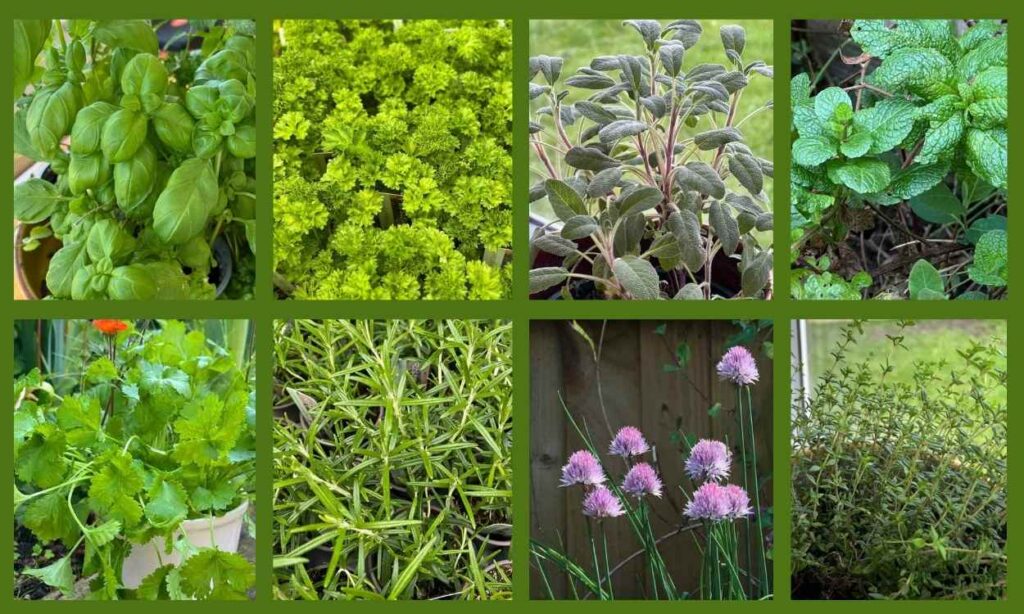
The 8 Easiest Gardening Herbs For Beginners
Bearing those four points in mind, I’m going to give you a shortlist of 8 herbs that are easy to grow. With links to more information where relevant.
Then I’ll give you my top three easy herbs to grow indoors, and top three to grow outdoors in a sunny spot.
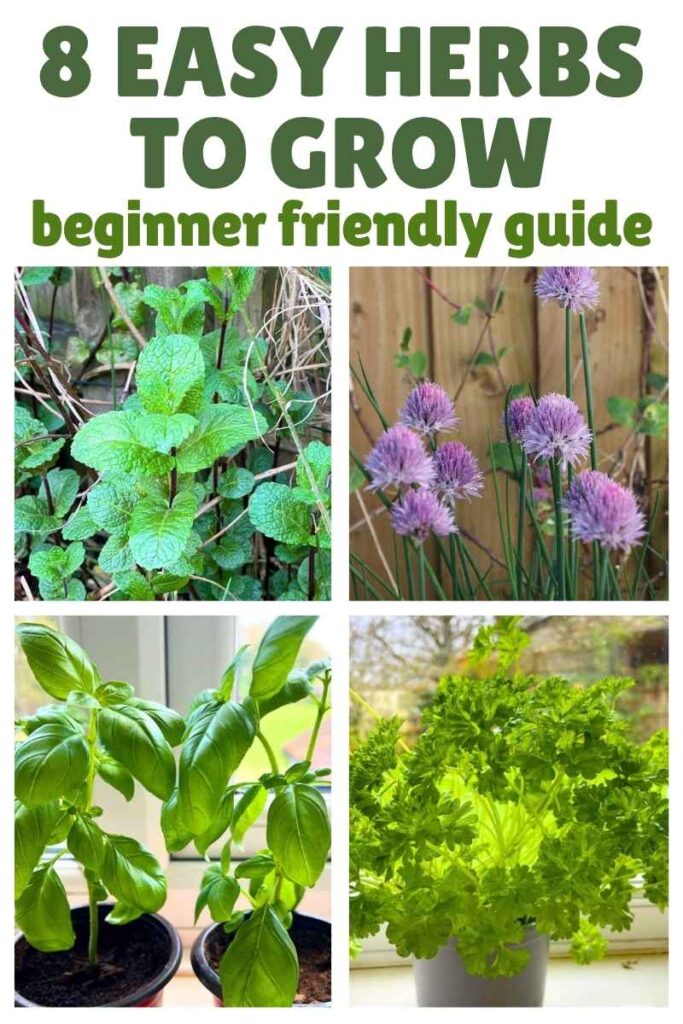
#1 Mint
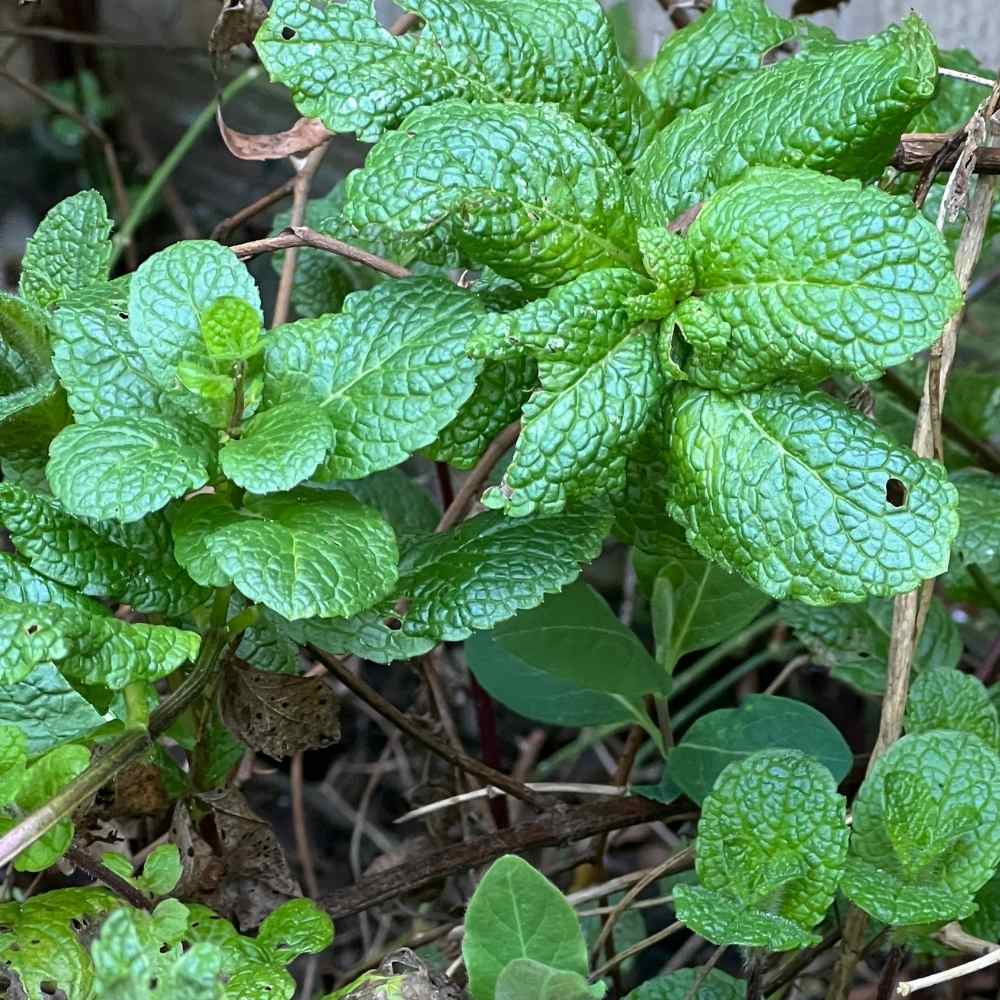
- Nearly impossible to kill; spreads vigorously
- Grows well in pots (recommended to contain spreading)
- Ideal uses: teas, cocktails, desserts, chopped and sprinkled on new potatoes and peas
Mint is easy to grow from cuttings and will water root in a few days. You can buy your first plant online or from grocery stores. Read the Guide To Growing Mint…
#2 Chives

- One of the hardiest herbs; regrows after cutting
- Thrives indoors or outdoors
- Ideal uses: eggs, salads, soups, garnishes
Chives are simple to grow from seed or you can pick up a starter plant from most garden centres. They also have beautiful flowers! Read the Guide To Harvesting & Using Chives…
#3 Basil
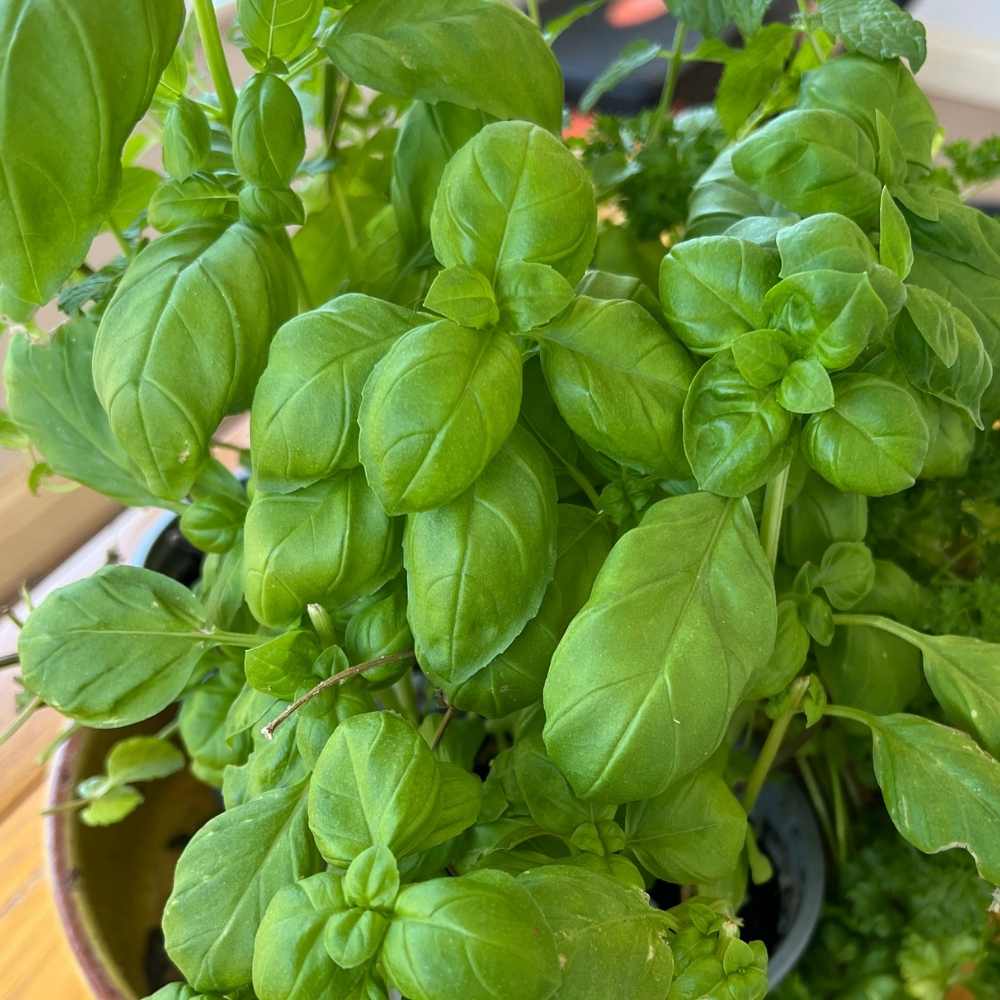
- Fast-growing almost instant harvest
- Needs warmth and sunlight; great on a sunny windowsill
- Ideal uses: pasta, pizza, pesto, Caprese salad
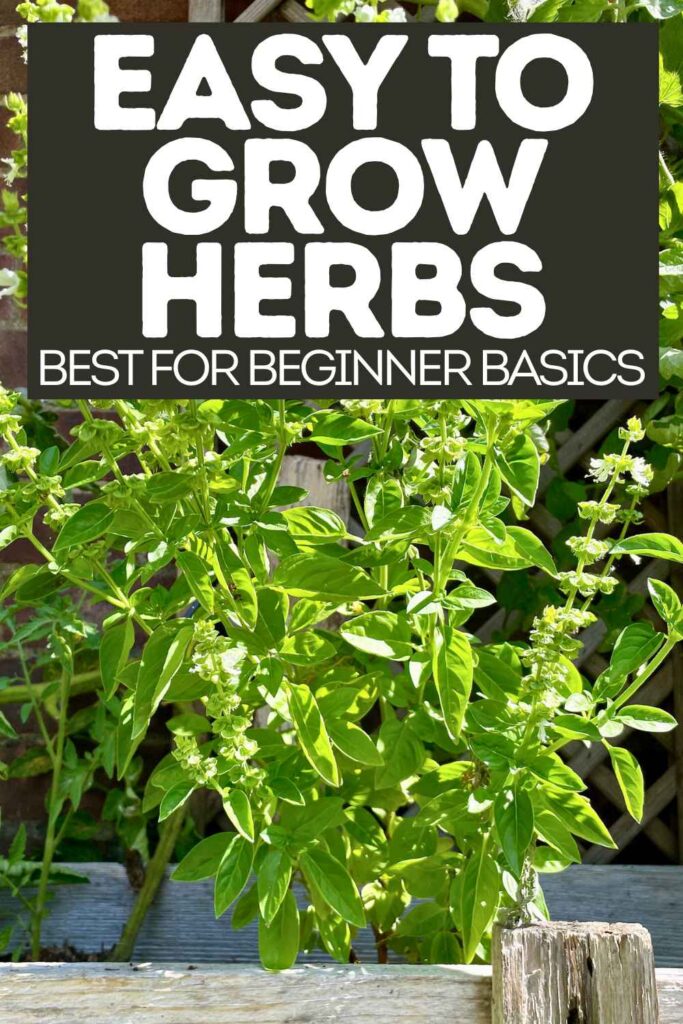
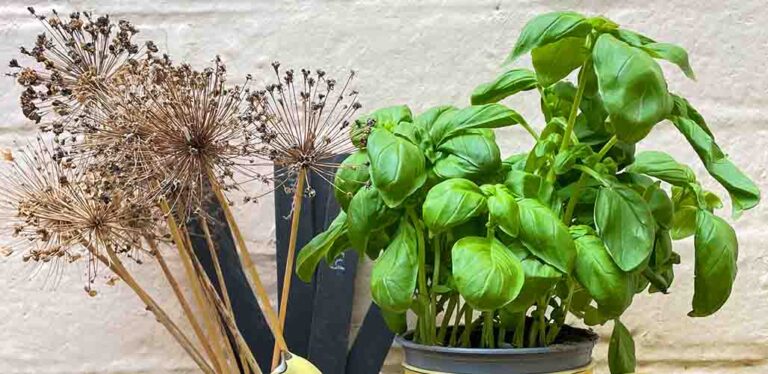
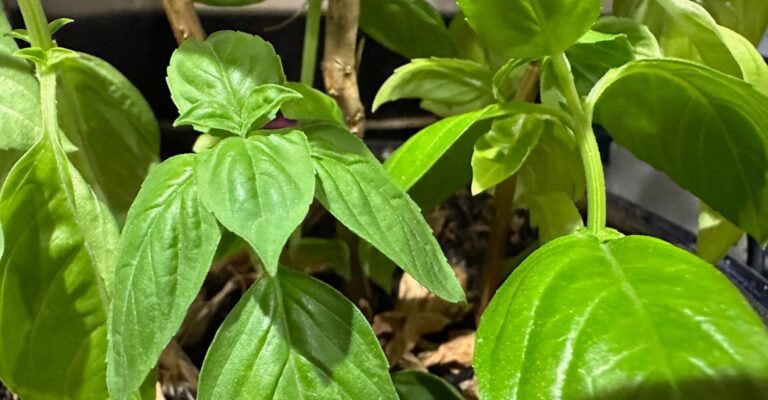
Basil is widely available as a potted plant in most supermarkets and can be repotted at home to get you started straight away. Like mint it makes water roots really fast. So every plant has the potential to make you many more! Read the Guide To Growing Basil…
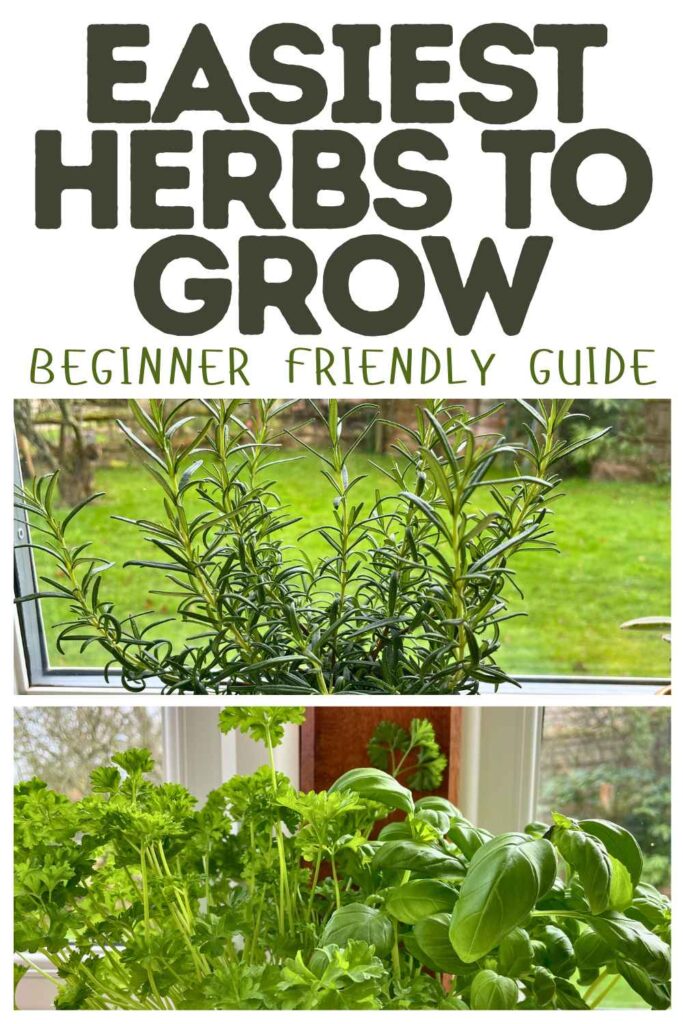
#4 Parsley
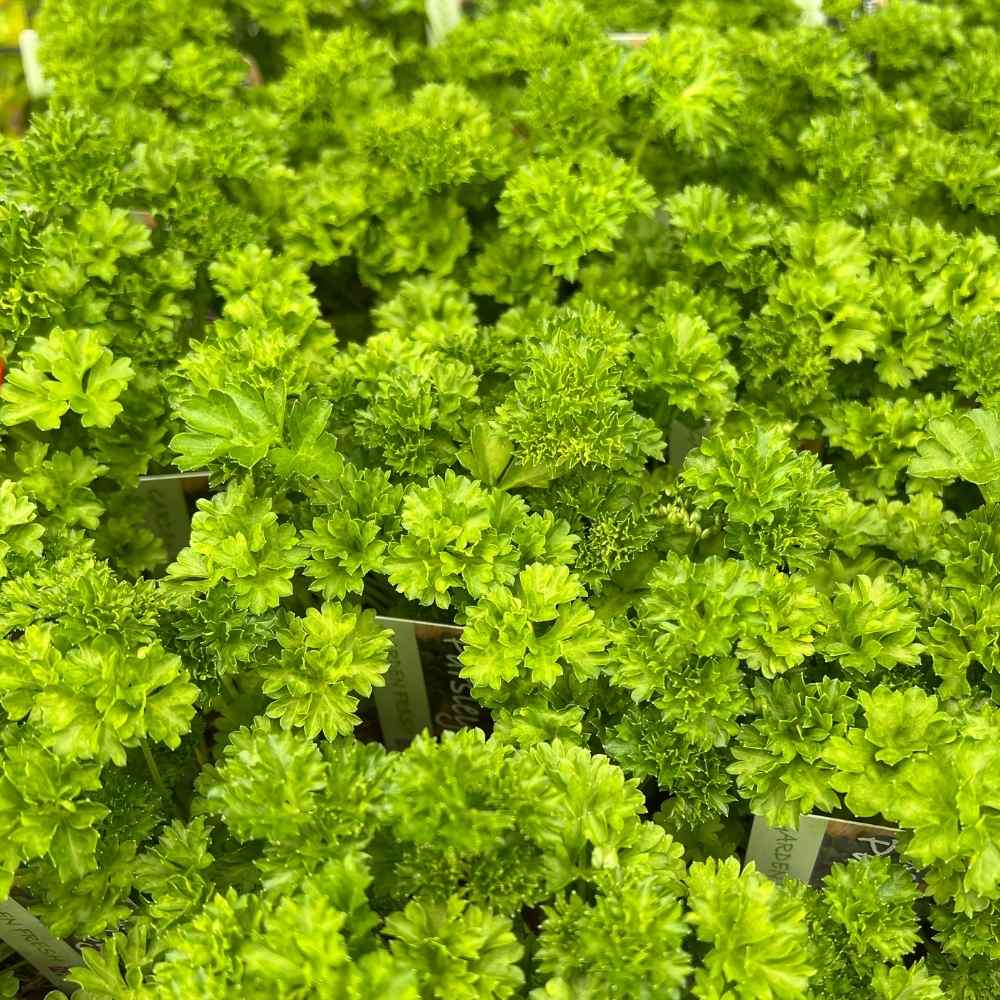
- Slow to sprout but very low-maintenance once established
- Grows well in containers
- Ideal uses: garnishes, sauces, salads, tabbouleh
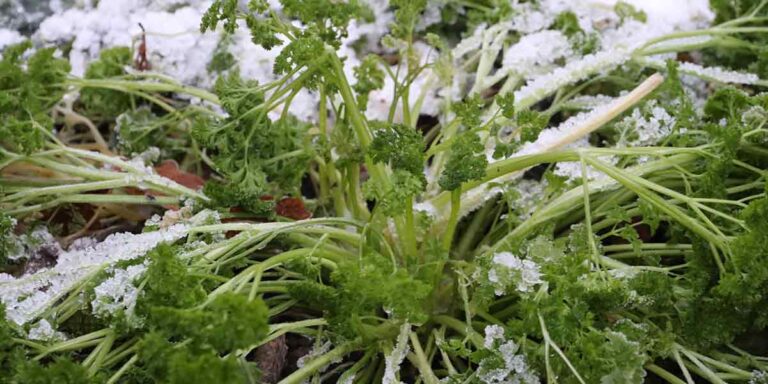
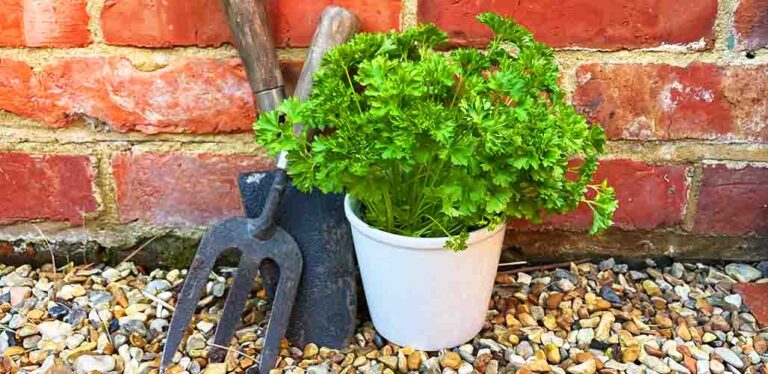
Parsley is best grown from a starter plant if you want quicker results, and can be found in garden centres and supermarkets alike. Read the Guide To Growing Parsley
#5 Rosemary
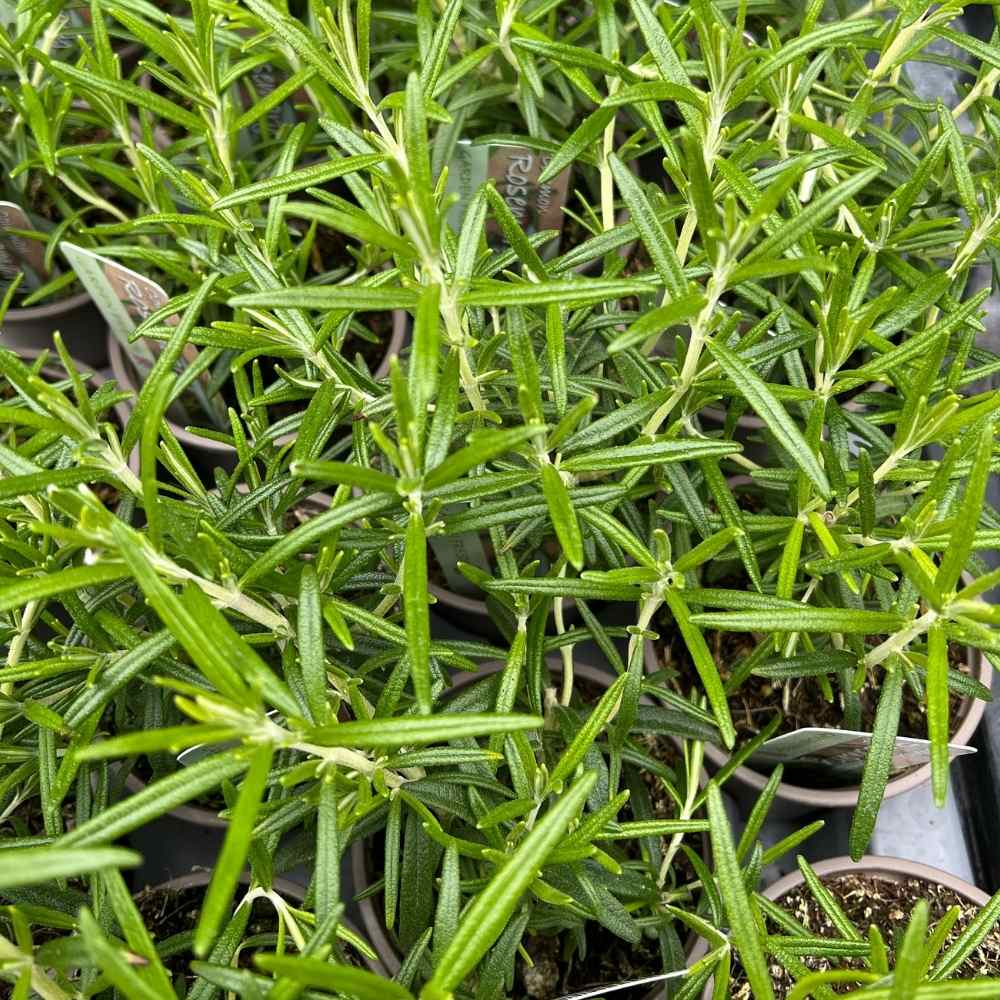
- Extremely drought-tolerant once established
- Thrives in sunny spots with little watering
- Ideal uses: roasted meats, potatoes, breads
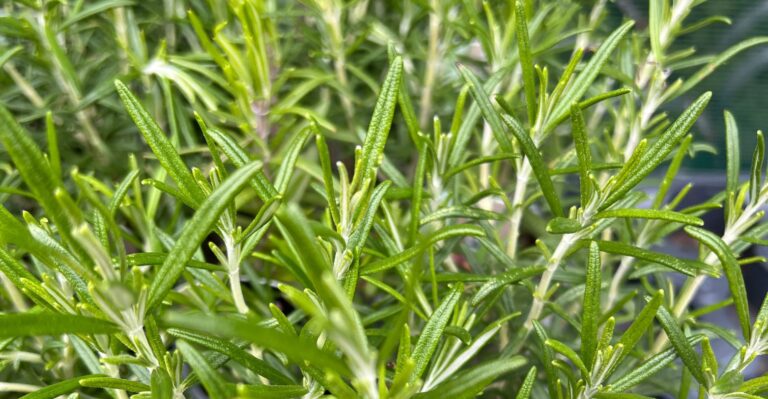
Rosemary is easiest to start from a cutting or a young plant from your local garden centre. In the right container it grows into a beautiful shrub, and will reward you for years to come. Read the Guide To Growing Rosemary
#6 Thyme
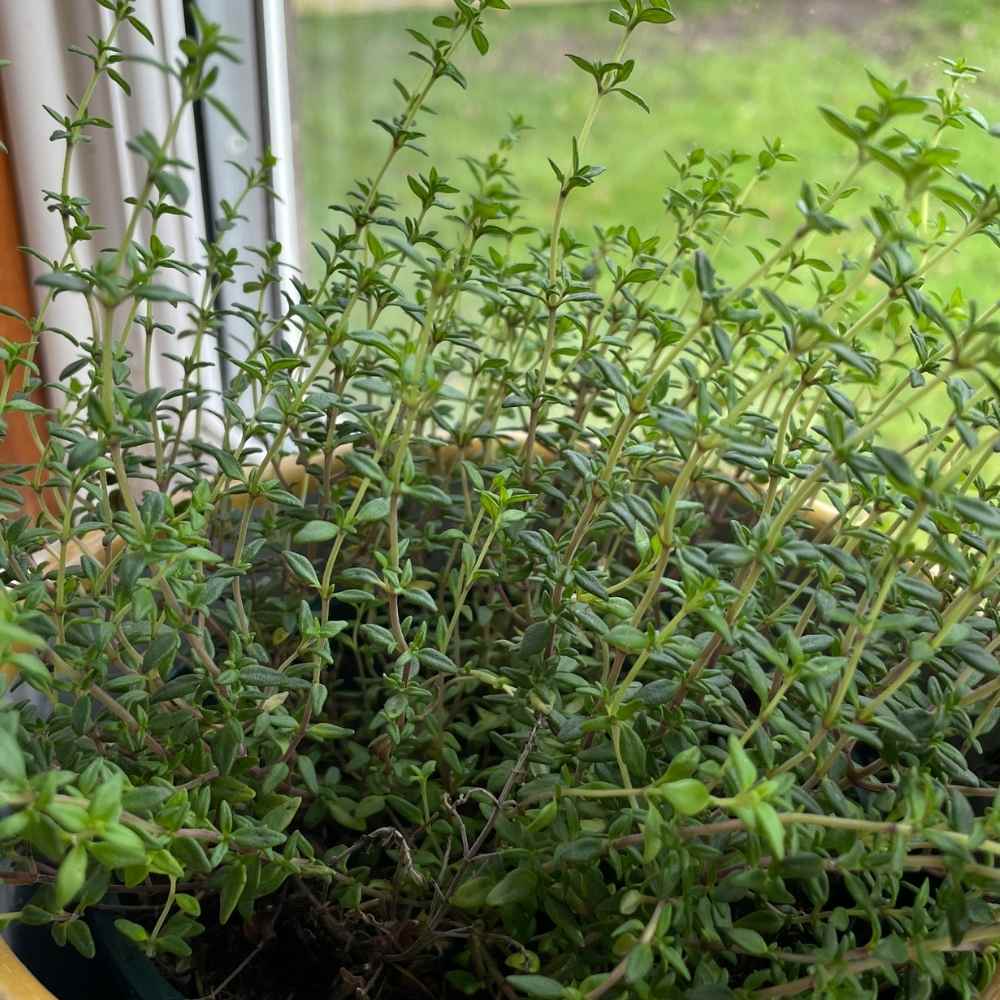
- Resilient and compact; perfect for small spaces
- Handles dry conditions well
- Ideal uses: soups, stews, marinades
Thyme is straightforward to grow from a starter plant or cutting and is readily available in most garden centres and supermarkets. Read the Guide To Growing Thyme…
#7 Cilantro

- Quick to germinate; ideal for successive planting
- Note: bolts in heat, re-sow from seed
- Ideal uses: salsas, curries, Asian and Latin dishes
Known as coriander in some parts of the world, cilantro grows quickly and easily from seed, making it one of the most satisfying herbs to start from scratch at home. Read the Guide To Growing Cilantro
#8 Sage

- Hardy and drought-tolerant; bounces back easily from neglect
- Thrives in well-drained soil with plenty of sunlight
- Ideal uses: stuffings, pasta butter sauces, roast meats, cheeses
Sage is best picked up as a young plant from a garden centre and will establish itself quickly with very little fuss. Sage does not like sitting in very wet soil so be careful not to get it soggy! Read the Guide To Growing Sage
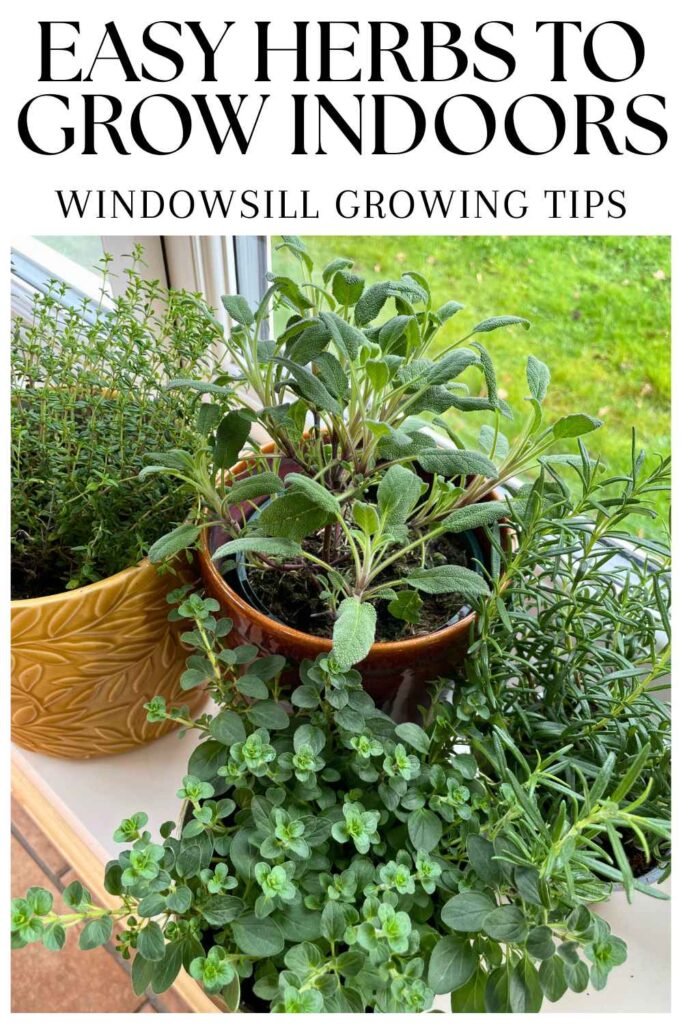
Top 3 Easiest Herbs To Grow Indoors
- Mint
- Basil
- Parsley
My top pick for a sunny kitchen windowsill is mint, basil and parsley. Now that’s partly because I use these herbs a lot. And partly because they grow fast.
Mint and basil will just get bushier as you pick them. But parsley will need to be replaced from time to time. Chives work well with mint and basil too, and will regrow after harvesting.
Note that mint and chives are both fairly hardy and will survive the winter in cooler zones (down to zone 6) So its not a question of them needing to be indoors, its simply convenient for you to have them to hand!
Top 3 Easiest Herbs To Grow Outdoors
- Sage
- Rosemary
- Thyme
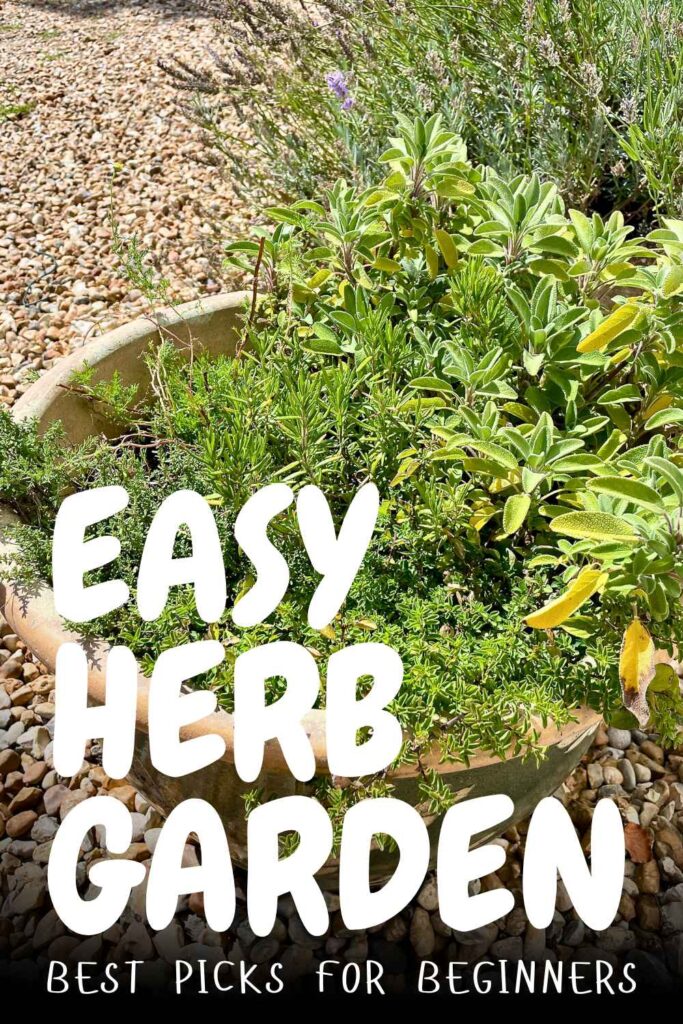
Sage, rosemary and thyme make a lovely combination in a patio planter. They are all drought tolerant and will forgive you if you let them get a bit dry on a hot day.
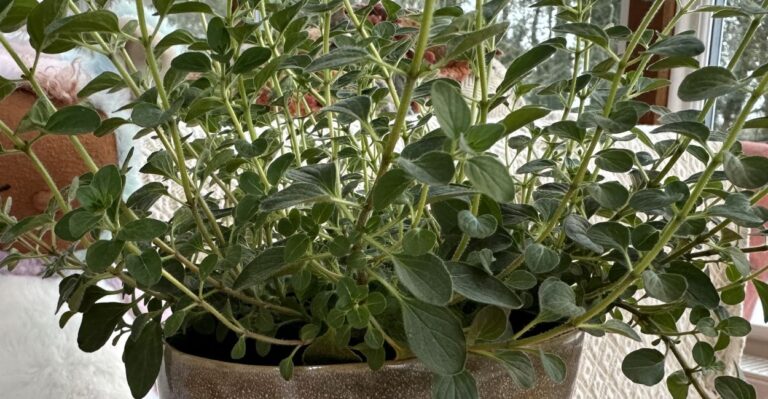
Rosemary makes a great focal point for your container. Plant thyme around the edges and it will tumble prettily over the sides. Oregano will do the same if that’s something you prefer to use in your cooking.
Set your herb planter in a sunny spot near to your kitchen door and you’ll be rewarded with a delightful display and wonderful aroma!
And don’t forget to let us know how you get on with your new herb garden in the comments below
You Might Also Enjoy
- Propagating Herbs In Water
- Common Herb Growing Mistakes To Avoid
- Herb Companion Planting – What Goes With What
- Creating a Window Herb Garden
- Annual Vs Perennial Herbs (And Why It Matters)