Getting Started With Garlic Chives: A Guide To Growing Chinese Chives At Home
Garlic chives are a tasty green leaved perennial herb, native to China, that can now be found growing wild across much of Asia, Europe, and North America. Garlic chive plants are sometimes available from garden centers in my area and hopefully in yours too. Don’t worry if you can’t find this delicious plant locally, the seeds are widely available online and I’ll explain how to grow them.
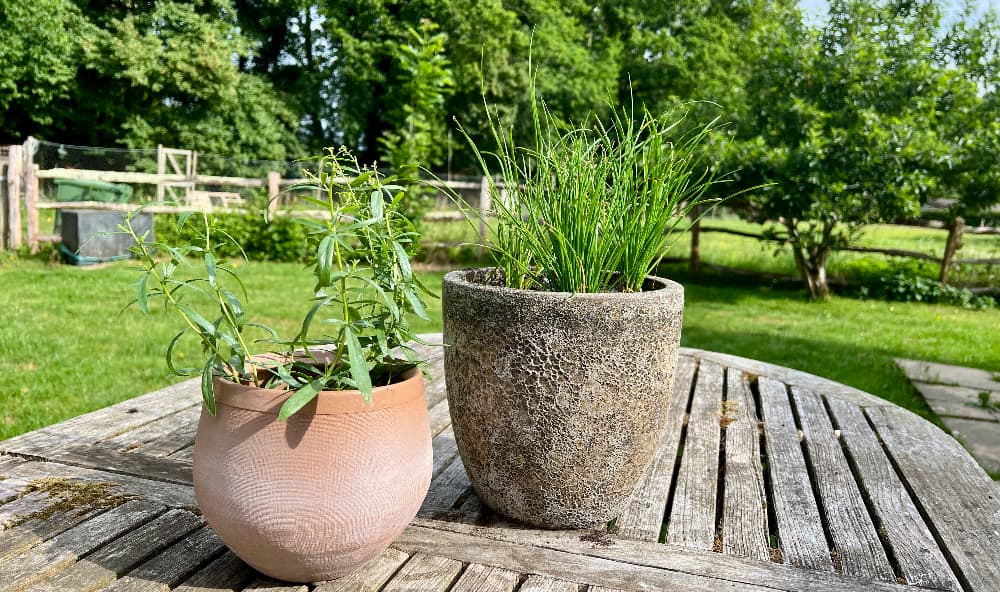
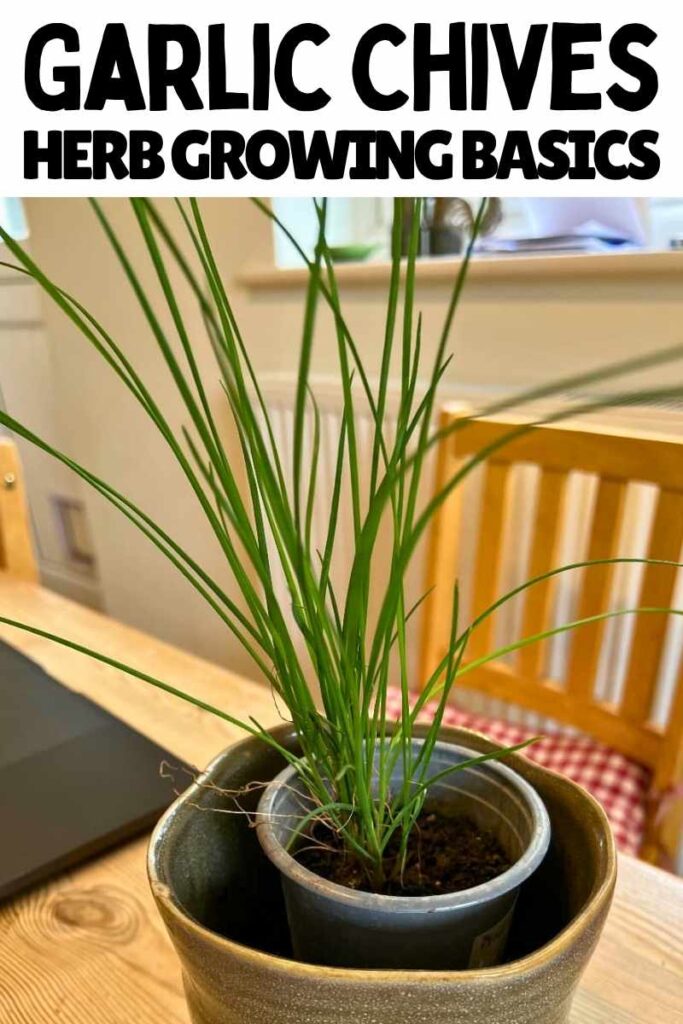
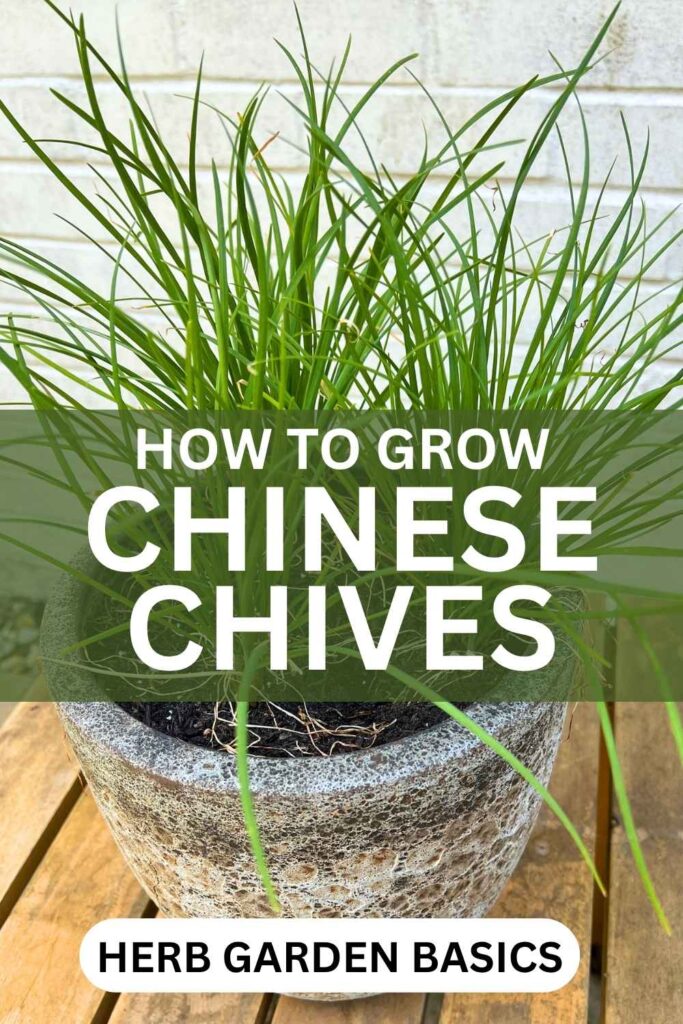
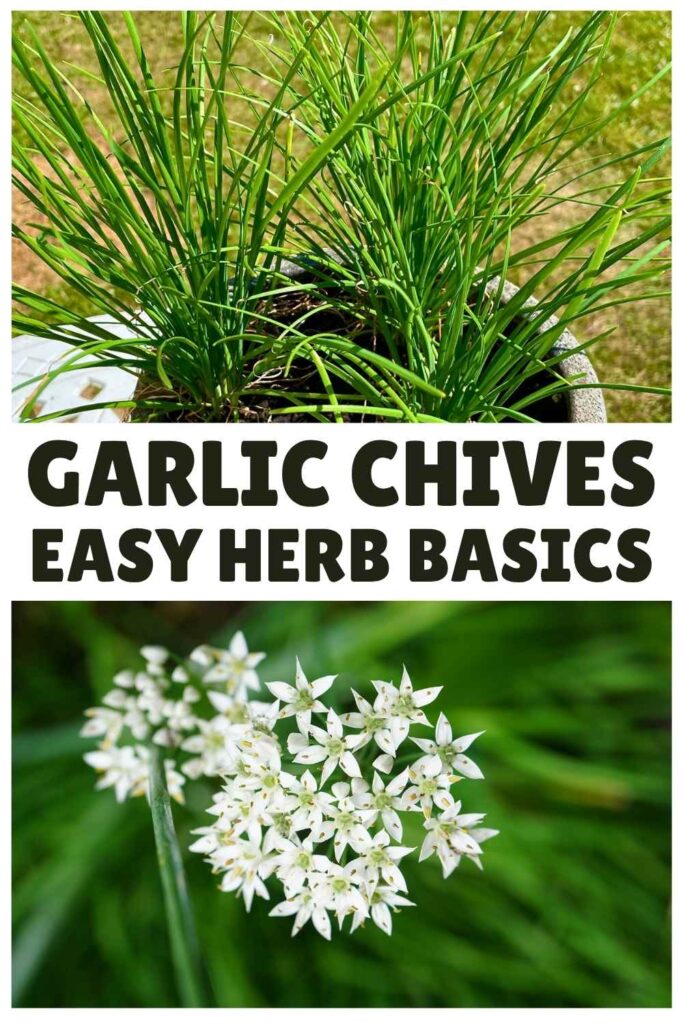
Garlic chives grow in dark green grass-like clumps, one to two feet tall, with little star shaped white flowers, that bees and butterflies love. Visually, they Imake a great border filler. But their real talent is their flavor….
Garlic…..Chives?
For most of us, the word ‘chives’ conjures up images of the the classic, hollow leaved, purple flowered, ‘Common Chive’ plant (Allium schoenoprasum). Garlic chives (Allium tuberosum) are from the same family of plants as common chives; the Allium family. A broad group that also includes onions, leeks, and garlic. But garlic chives are a separate species from common chives, with their own look, flavor, and growing needs.
Garlic chives originate from south-west China, hence their alternative name, “chinese chives”, and are often found in traditional Asian dishes. They have a lovely, mild, garlicky flavor. My favorite Pad Thai recipe uses garlic chives (link in the references at the end of this article) and it really wouldn’t be the same without them.
Your First Garlic Chive Plant
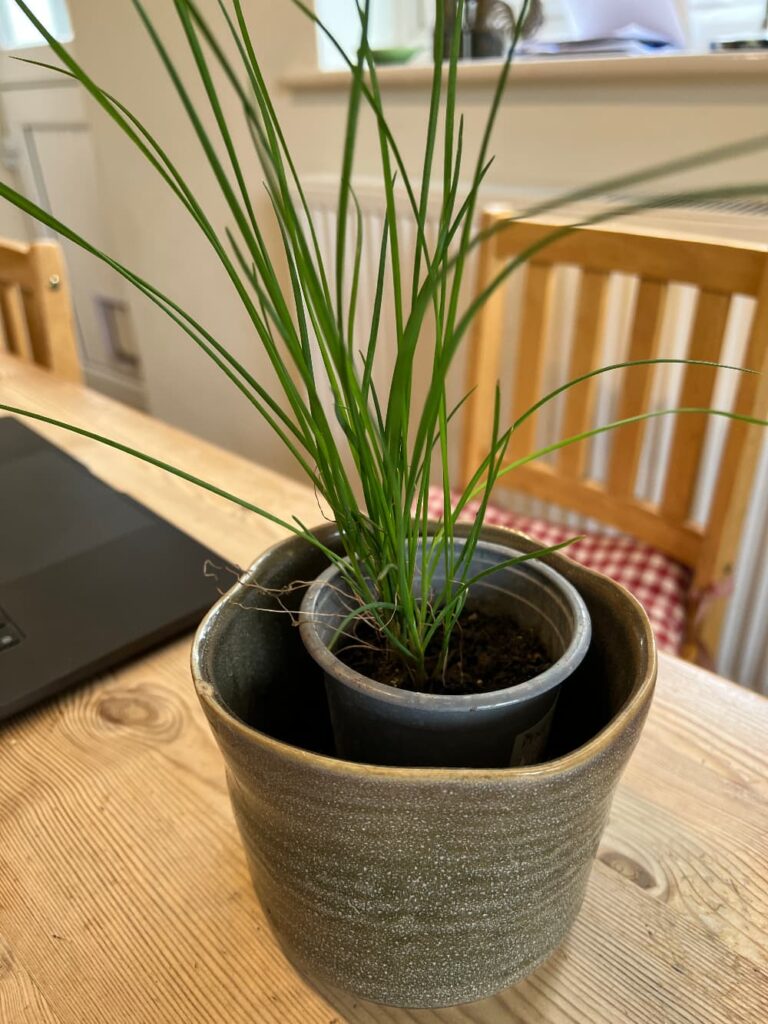
The easier way to get started with garlic chives is to buy a young plant (or two or three) from a nursery or garden center. My own garlic chives came from a local specialist herb grower, Pepperpot Nursery, which is based less than 20 miles from where I live, and sells at local markets in my area.
I’m lucky to have a herb nursery so easily accessible. (Although my bank balance may not always agree!). If you don’t have a specialist grower in your area, many of them, including mine, also sell online. I’ll pop a link to my local nursery in the references at the end of this article, in case any readers in the UK would like to give them a try. Other specialist growers are also available!
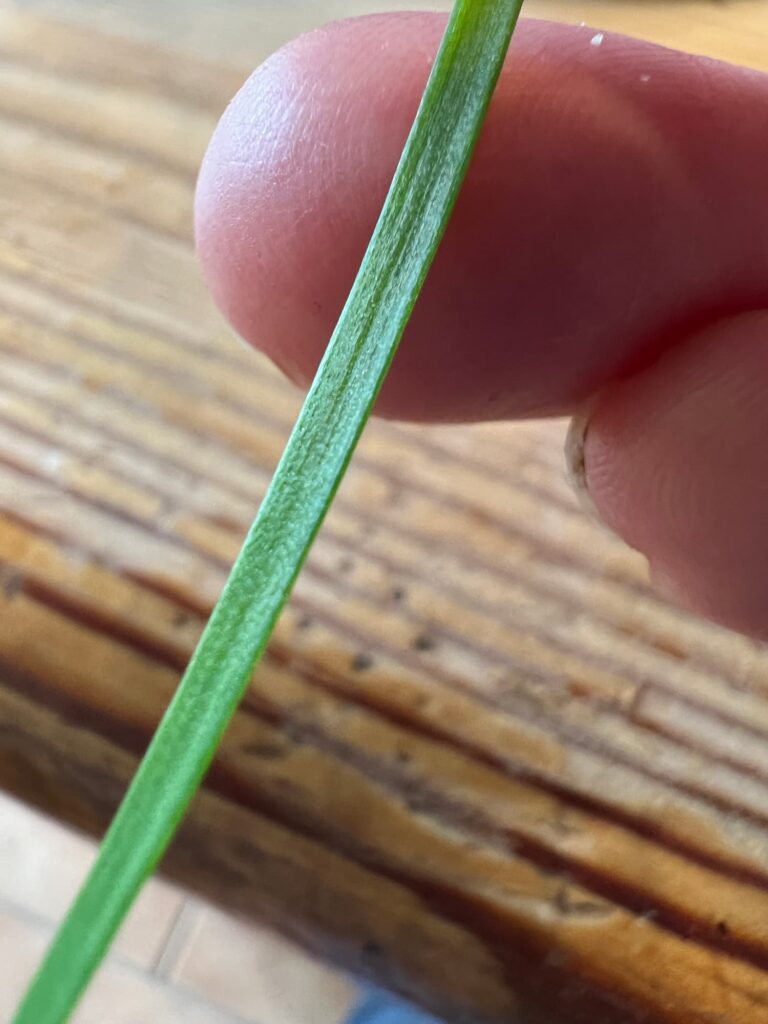
If you’d rather choose your plant in person, and don’t have a herb specialist locally – don’t worry. Just pop in to your nearest general plant nursery. Garlic chives aren’t the most fashionable of herbs at the moment, but most nurseries will have some tucked away somewhere!
I usually put a line about the problems with grocery store bought herb pots, here. But personally I’ve never seen a pot of garlic chives in a grocery store. (Let us know in the comments below if you have!)
Dividing Garlic Chives
If you are lucky enough to have a friend or neighbor with their own garlic chives plants, another great way to get started is by dividing an existing plant. Your friend is likely to be happy to do this, because garlic chives spread quite aggressively when left to their own devices in flower bed borders.
If they’re happy to share their bounty, you and your friend will need to gently lift the existing clump using a spade. Divide the clusters of small bulbs into smaller clumps (with at least 3 or 4 sturdy roots) with your hands or a trowel. I prefer my hands so I can feel what I’m pulling apart, and stay gentle. Then replant the sections your friend is keeping, at the same depth as before. Bring your section home, plant them at the same depth too, and water them well every day for 2-3 days, to help them get established.
Pay It Forward
When your garlic chives start to flourish and spread, in a few years time, you can use this same division method to space them out to keep them healthy. Or to get someone else started on their own garlic chive journey!
Seeds; The Slow Option
If you’d prefer to grow your own garlic chives from scratch, all you need is a packet of seeds from any reputable brand, a seed tray or some pots, and some compost. Gently firm the compost down, scatter some seeds thinly across it, and then cover with a thin layer of compost.
Alternatively, from late spring onwards, you can sow your seeds directly in their final outdoor destination, in well fertilised furrows about half an inch to an inch deep. But I find seedlings started indoors have a higher germination rate and better survival rate. (I suspect mice of eating my outdoor seeds!). Mature seedlings are less tasty to pests, and more weather resilient too.
Allow up to 4 weeks for seedlings to appear. They’re usually faster, but don’t give up too soon! If you sowed your seeds in a seed tray indoors, once your baby plants are big enough to handle, move them to individual pots. If they’ll be living outside, let them grow a bit bigger, pop the pots outside for a few hours each day to harden them off, and then plant outside after another week or so. If they’re staying indoors, just transfer them straight to their destination pot.
Be patient – it can take up to 3 months for your seedlings to be big enough to harvest!
Keeping Your Garlic Chives Happy
The south Asian climate where garlic chives evolved is temperate. This means it has mild, seasonal, weather, and doesn’t tend to hit extreme high or low temperatures. As a result, garlic chives can now be found growing wild across much of Europe and North America, where the climate is similar, and are even considered a weed or pest species in some areas. Your garlic chives will be happy with moderate temperatures, moderate amounts of water, and moderate amounts of sunshine. Which makes them pretty easy to take care of at home.
For super happy garlic chives, place your mature seedlings or new plant in well drained loamy soil or a good quality potting compost, in a sheltered but sunny area. And add some mulching around plants in outdoor beds, to protect them from competition from weeds.
Garlic chives love full sun. The more hours of full sun you can give them per day, the better. They will cope with part sun-part shade if they have to, but will grow faster and flower more abundantly in full sun. The flowers, which appear in late summer, are like a shower of tiny white stars – your garden will thank you for them! And so will the local butterflies.
A little fertilizer now and then will pep your plants up – but beware of adding too much. Over fertilizing causes the leaves to grow too fast, and they end up thin, pale, and low on flavor.
Garlic chives are cold hardy, and don’t mind a bit of frost. In fact some people say they taste better after the first frost! They do die back over winter in colder climates – but don’t worry, they’ll be back in the spring. If you’d like to harvest your garlic chives year round, just keep a pot on a south or east facing windowsill indoors, too. It may slow down over the winter, but it won’t die back.
Watering Your Chinese Chives
Garlic chives are drought tolerant. They probably won’t die if you sometimes forget to water them. But studies have shown they make less chlorophyll when stressed by lack of water (EJFOOD, 2022), and that means less energy for growth. So for a good yield of tasty green leaves, water your plants sparingly but regularly, to keep the soil slightly moist all the time, but never soaking wet.
Take care not to overwater your plant, especially if it’s in a container. Sitting in sodden soil can reduce the oxygen supply to the roots, leading to fungal infections and root rot.
Pests Aren’t Welcome Here
Talking about infections leads us nicely on to the other problem your garlic chives might encounter. Insects!
Like all Alliums, garlic chives release sulfur compounds. These give your garlic chives their pungent smell, and their lovely flavor. But their real purpose is to act as insect repellents. Alliums are so good at putting off pests, that it’s even recommended to plant them in between plants like sweet peppers, that struggle to defend themselves against insects.
So you don’t need to worry too much about insects on your chinese chives, as long as you’re giving them plenty of airflow by harvesting regularly and dividing big clumps ever few years.
How To Harvest Garlic Chives
If you’ve started with a young established plant from a nursery, you may be able to start trimming it in as little as a month. Wait until the leaves are 6-8 inches long (15-20cm). Cut them low down, using clean kitchen scissors, leaving just an inch of stem at the bottom.
While your plant is young, it’s a good plan to only harvest every one to two weeks, and only take a maximum of a quarter of the leaves, so there are plenty of leaves remaining to produce energy for more growth. Once your plant is mature, you can try taking one third at a time, or harvest more frequently in smaller amounts.
If you have a big family, you might like to buy several plants so your harvest gets up to size faster!
Outdoor plants can be harvested from spring to early autumn. If you’d like winter greens from your garlic chives too, you’ll need to keep at least one plant indoors, so it doesn’t die back.
Using Your Harvest
Garlic chives make a fantastic garnish for any dish that would benefit from a fresh garlicky boost. You can eat the leaves raw as a side salad. And you’ll find them in lots of traditional Chinese, Korean, and Thai dishes. Look for original recipes, rather than ones that have been adapted for a western audience. I also like to experiment with switching out green beans or sugar snap peas for garlic chives, in my curry and stir fry recipes.
Remember to add your garlic chives right at the end of the cooking process. Heat breaks down the sulfur compounds that give your plant its distinctive flavor. Adding them too soon can make them very bland. Save them til the last moment, stir them through for long enough to warm them, and serve!
Harvested too many chives? No problem! Wrap them in a damp tea towel and pop them in the fridge, and they will last several days.
You may have heard that garlic chives can be anti bacterial, can lower cholesterol, can lower blood sugar in diabetes, and even act as an aphrodisiac. There is some limited evidence to support all of these claims…. in a few very specific situations… for guinea pigs and rats, or for bacteria in a petri dish. Garlic chives have not been licensed for treatment of any human medical conditions. We recommend you stick to using them as a tasty food only, and speak to your doctor, first and foremost, if you are interested in trying home remedies for any medical condition.
Your Garlic Chive Journey
Garlic chives are tasty, attractive, easy-going, pest repellent, pollinator welcoming, and pretty. They calmly tolerate a bit of neglect, and keep on giving a delicious harvest for years.
As time goes by, your new plant will try to spread. If you want a bigger harvest next year, just let your outdoor plants self seed around themselves.
After a few years you’ll be able to spread your plants by dividing the clumps, too. And perhaps you’ll bring your journey full circle, by donating some divided garlic chives to a friend, who’s ready to start a new herb journey of their own.
Have fun! And don’t forget to pay it forward.
References
“Allium Tuberosum”. RHS. https://www.rhs.org.uk/plants/877/allium-tuberosum/details
“A Floridata Plant Profile #632 Allium tuberosum”. Floridata. https://floridata.com/plant/632
“Authentic Pad Thai Recipe – The Real Deal!”. Chongchitnant, P. Hot Thai Kitchen. https://hot-thai-kitchen.com/best-pad-thai/
Pepperpot Nursery. (My own local herb specialist). https://www.pepperpotherbplants.co.uk/
“How And When To Divide Perennials”. University of Minnesota Extension. https://extension.umn.edu/planting-and-growing-guides/dividing-perennials
“Allium tuberosum Rottler ex Spreng.” National Parks Flora & Fauna Web. https://www.nparks.gov.sg/florafaunaweb/flora/4/9/4947
“Allium tuberosum”. Missouri Botanical Garden. http://www.missouribotanicalgarden.org/PlantFinder/PlantFinderDetails.aspx?kempercode=u770
“Changes in the chlorophyll of garlic chives (Allium tuberosum) resulting from fertilizer and drought stress”. Lee et al. 2022. Journal of Life Science. https://www.dbpia.co.kr/journal/articleDetail?nodeId=NODE11152149
“Yielding and biological value of garlic chives (Allium tuberosum Rottl. ex Spreng.) depending to the type of mulch”. Adamczewska-Sowinska et al. Journal of Elementology. https://agro.icm.edu.pl/agro/element/bwmeta1.element.agro-c5e42955-2f56-41de-8641-11f7d04a8d02
“Effect of Chlorophyll in Garlic Chives (Allium tuberosum) Leaves by Drought and pH”. Huh, MK. 2022. European Journal of Agriculture and Food Sciences. https://www.eu-opensci.org/index.php/ejfood/article/view/20508
“Allium chemistry: GC-MS analysis of thiosulfinates and related compounds from onion, leek, scallion, shallot, chive, and Chinese chive” Block et al. 1992. Journal of Agricultural and Food Chemistry. https://pubs.acs.org/doi/10.1021/jf00024a018
“Sulfur volatiles from Allium spp. affect Asian citrus psyllid, Diaphorina citri Kuwayama (Hemiptera: Psyllidae), response to citrus volatiles”. Stelinski et al. 2011. Bulletin of Entomological Research. https://doi.org/10.1017/S0007485310000222
“Asian Chives (Buchu)”. Maangchi. https://www.maangchi.com/ingredient/asian-chives
“Garlic Chives”. Illinois Wildflowers. https://www.illinoiswildflowers.info/weeds/plants/garlic_chives.htm
“Comparison of antimicrobial activity, phytochemical profile and minerals composition of garlic Allium sativum and Allium tuberosum”. Khalid et al. 2014. Applied Biological Chemistry. https://link.springer.com/article/10.1007/s13765-014-4021-4
“Allium tuberosum: Antidiabetic and hepatoprotective activities”. Tang et al. 2017. Food Research International. https://www.sciencedirect.com/science/article/abs/pii/S0963996917304702
“Aphrodisiac properties of Allium tuberosum seeds extract”. Guohua et al. 2009. Journal of Ethnopharmacology. https://www.sciencedirect.com/science/article/abs/pii/S0378874109000439