9 Easy Vegetables For Beginners To Grow Outdoors
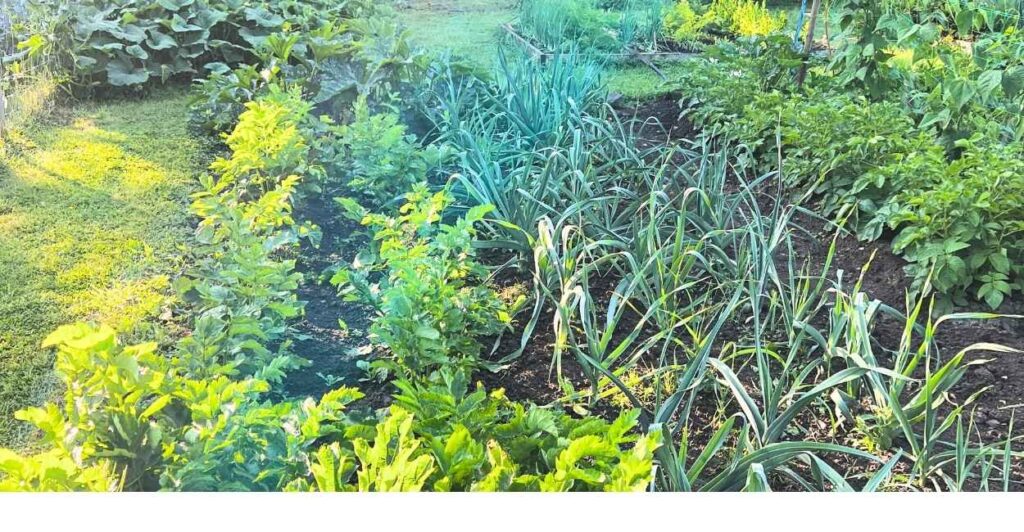
I’m all for an easy life! I want to plant a seed, have it germinate quickly, grow quickly and not wilt at the first sign of trouble!
I’m going to share with you the easiest food crops we grow in our vegetable plot, and why we grow them. We’ll look at what you need to grow these vegetables successfully, the benefits and the challenges involved, and get you started!
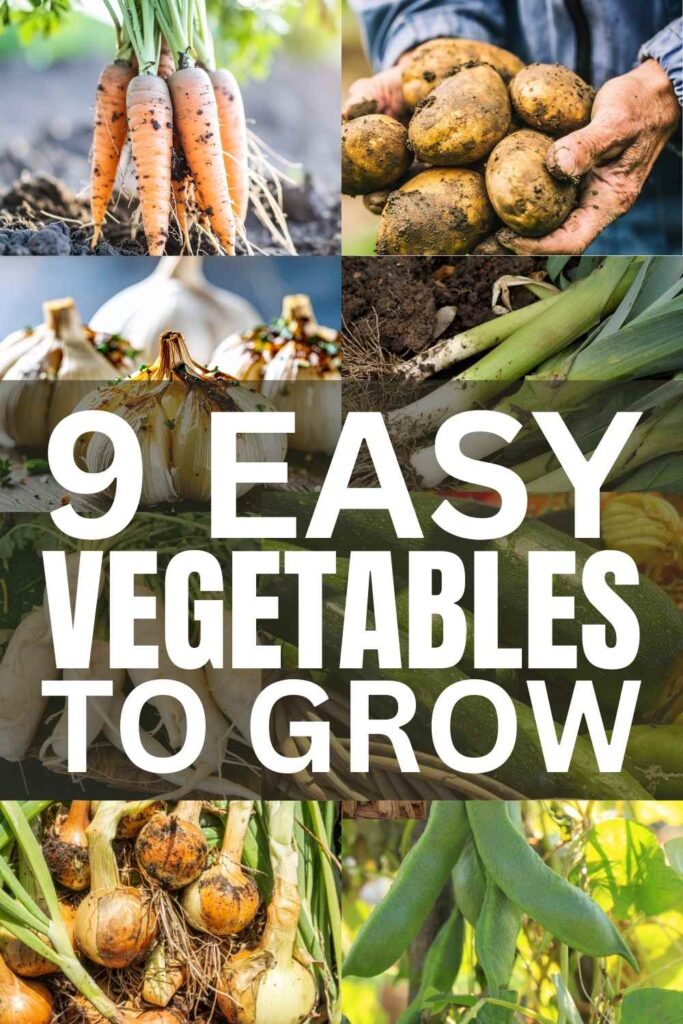
Here are your jump links so you can skip to the ones you like best!
We’ll start under the ground and work our way up!
#1 Potatoes
Now I know that some people won’t grow potatoes for a couple of reasons. One is that they take up quite a lot of space, and the other is that they are relatively cheap to buy.
If space is limited in your vegetable plot then you might feel the same. But hear me out because there are a lot of pros to growing your own, that balance out those cons! And you can also grow potatoes in a large tub or planter.
Benefits of growing potatoes
The main reason we love to grow potatoes is because they are one of the most satisfying crops to harvest. You just get so much back from planting one tiny seed potato.
Potatoes are great for breaking in new ground, and will grow in most soil types
The flavor of freshly dug new potatoes is second to none (don’t forget to plant a patch of mint to go with them) And potatoes store for a decent amount of time once harvested if you keep them cool and dry.
While it’s true that potatoes are cheap to buy, transporting them around the country has an environmental cost that growing them at home does not. So your little patch is doing its bit for the planet.
Challenges of potato growing
There are a few diseases that potatoes can suffer from and it’s best not to plant them in the same ground each year. But if you have space to rotate them, they are relatively healthy.
Potatoes can also be grown in containers and are just such a satisfying and easy plant to grow
Quick guide to growing potatoes
Potatoes like a sunny, well-drained position. Before planting, allow the seed potatoes to rest on a dry shelf or tray in daylight until they have sprouted.
Early potatoes can go into the ground as soon as the soil starts to warm up in the spring. Plant each potato about six inches deep and eighteen inches apart. They’ll need earthing up as they start to grow, to keep light from reaching your crop and turning it green.
You can harvest first earlies after about ten weeks, main crop potatoes need another ten weeks after that.
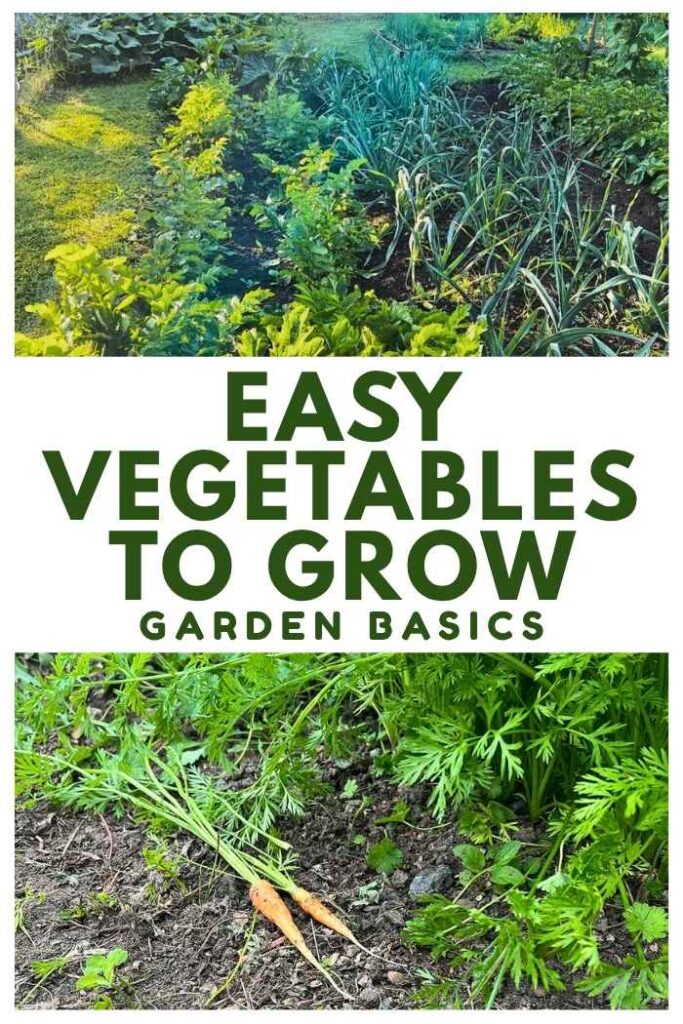
#2 Carrots
We grow carrots every year but always on fresh ground and with a watchful eye for carrot fly. Carrots are a very popular root vegetable, and it’s easy to see why as they are so versatile.
Benefits
Packed with nutrients, fibre, and sugar, tiny new carrots are delicious raw in salads, while older ones are great for boiling or roasting.
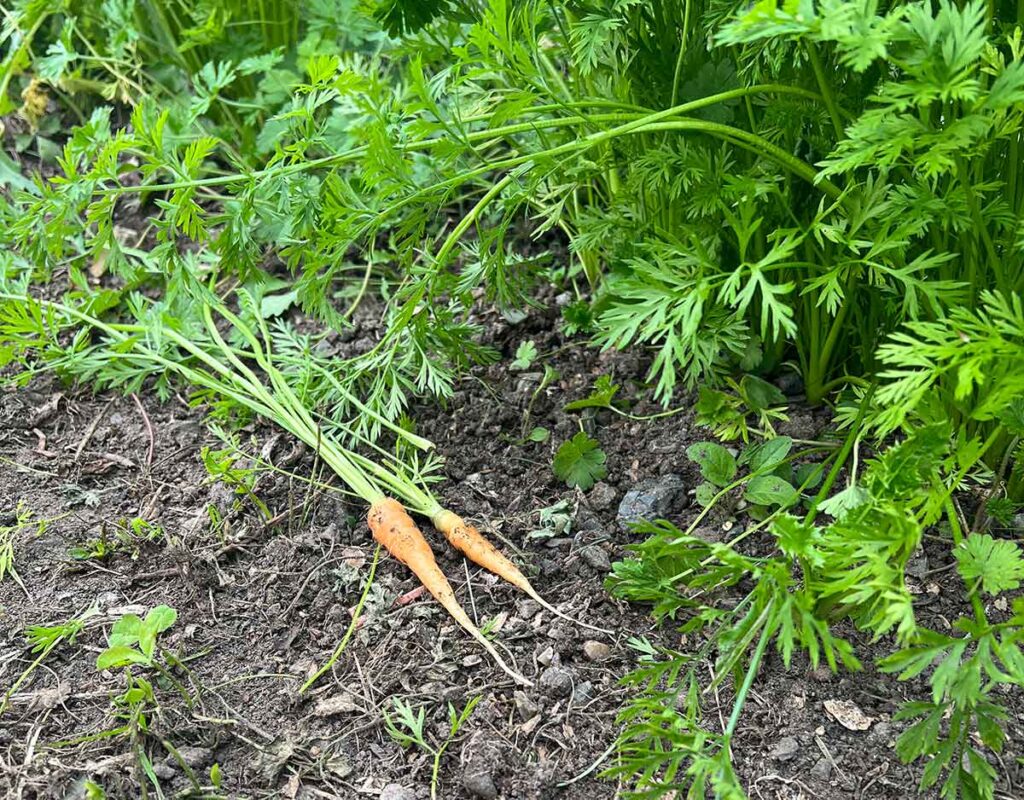
Plant more than you think you’ll need as they are never wasted. And like potatoes, they store quite well after harvest if kept cool and dry.
Challenges
In stony ground it can be difficult to get carrots to grow long and straight. Raised beds or deep tubs of potting soil can help.
Carrots are susceptible to carrot fly though you may be able to reduce the risk of this by rotating your vegetable crops’ location each year.
Planting carrots alongside onions is said to help too. Carrot flies are attracted to the smell of carrots and onions and garlic help to disguise this scent.
Quick guide to growing carrots
If you have a light, slightly sandy soil without too many stones, your carrots should do well. Hold off on the compost if you want nice long straight roots!
Carrots like plenty of sun, but will tolerate a little shade for part of the day. You can start sewing from around March, wait until the worst of the frosts are gone.
Carrot seeds are minute. My mother taught me a neat trick for avoiding sewing far too many, too close together. Mix the seed with equal quantities of sand before you sow them. It just helps to spread the seedlings out a bit. You’ll need to thin them anyway, but it will be easier if they are not too close together.
Sew in a shallow drill (you can make one with the handle of your rake or hoe) and lightly cover with a thin layer (no more than half an inch) of soil. Keep moist. They may take a couple of weeks to germinate.
Carrot thinnings are a magnet for carrot flies and you do not want to advertise the presence of your carrots. So dispose of your thinnings straight away. The first batch will be ready to harvest in around ten weeks time. If you sew a new batch each six to eight weeks, you’ll have a permanent supply until late fall
For more information read: How To Get Started With Carrots
#3 Parsnips
We love parsnips. They are great roasted with Sunday lunch, but also make awesome fries if sliced up, tossed in a little olive oil, and air fried (yes, we are now Air Fryer converts)
Benefits
Much like carrots, parsnips share many of their benefits and challenges, but they have a later season. Fully grown parsnip plants are extremely hardy and can tolerate quite severe weather.
They’ll often keep for months in the ground without rotting, and taste even sweeter if they are not lifted until after the first frosts. This year, we lifted our Christmas day parsnips just a couple of weeks before the day!
Challenges
Parsnips won’t germinate until the weather warms up a bit, so if your zone has a cool winter, you’ll probably need to wait until May to plant them outdoors. Like carrots they are susceptible to root flies and benefit from being planted between onions or garlic.
Quick guide to growing parsnips
To get big roots without forks you’ll need to avoid stoney soil. If you don’t have the right soil, plant in a large deep tub.
Sew half an inch deep and a couple inches apart. They are a bit easier to handle than carrot seeds, but you’ll still need to do some thinning.
Now put your patient hat on and keep them fairly moist, until the seedlings are well grown. Unless you have a drought, once the roots are a few inches long they won’t need much attention until you lift them in the fall or winter. It’ll be worth the wait I promise.
#4 Onions
Like potatoes, onions are relatively cheap to buy but nowadays we grow them for the same reasons. Less carbon footprint and far more satisfying.
I say nowadays, because I am a fairly recent convert to growing onions. Back in the day, after a few attempts at growing them from onion sets, we decided it wasn’t worth planting a teeny tiny onion, then waiting and waiting…. And waiting… until it grew into a very slightly larger onion.
So what changed?
Well these days we grow our onions from seed and we are getting some great results!
Onions are now an important part of our vegetable crop, and help to protect our root crops (carrots and parsnips) from being attacked by carrot fly maggots.
Benefits
I can’t prove it, but I think homegrown onions have a richer, better flavor than store bought ones! They store really well, we keep ours for months in dry shed.
They don’t take up a huge amount of space, or shade out other plants
And of course onions are central to so many dishes in the kitchen. It’s great to know there are always plenty to hand.
Challenges
Onions grow slowly at first so you need to be patient. And because they don’t have a lot of foliage, they don’t compete well with weeds, so you need to keep the weeds down for them. Especially when they are small.
Sometimes onions ‘bolt’ forming a flower stalk instead of a bulb. And while the flowers are quite pretty, that’s not really ideal.
In very wet soil onions can rot, and in poor conditions they may bolt (flower) instead of forming a bulb.
Quick guide to growing onions
Make sure you pick a sunny, well-drained spot, onions don’t like to be soggy and may rot if constantly wet. You can grow onions from sets or seeds. Sets give you a quicker start but we’ve had much more success with seeds.
Grow the seedlings in a pot or seed tray until they are about six inches tall, and plant out about six inches apart. They don’t need to be deep, and its fine for the top of the bulb to be above ground as they grow.
You can pull them up when the foliage starts to die off and fall over. Dry them on a rack in dry airy spot, and then store in a cool, dry place until you are ready to use them.
#5 Garlic
It’s hard to imagine what cooking would be like if garlic didn’t exist! It is such an important part of so many popular recipes and adds depth and flavor in a way that almost no other plant does.
Garlic is a little different from the other crops in this list in that it is usually planted in one year and eaten in the next. But its surprisingly little trouble to grow
Benefits
I was a little reluctant to allocate much space for garlic at first. I thought it unlikely that we would be able to grow enough to meet our needs. But I was surprised how effortless it is and how great the results are.
In fact our small patch supplies enough to last us several months and homegrown garlic stores and keeps really well
Like onions, garlic is quite a good deterrent for pests and can be planted in between or alongside other crops to help protect them
Challenges
Growing garlic is a long game. You need to think ahead. We plant ours in late summer or fall and then leave them to overwinter. It seems like nothing is happening for several months, but be patient. The results are well worth the wait.
Quick guide to growing garlic
Planting is simple, you can even use bulbs you buy from the grocery store. Break them into individual cloves and plant each one, four to six inches apart, with the pointed end up, in well drained soil. The best time is early fall.
Then it’s a waiting game. The cloves need to spend the winter in the ground and in spring will start to come back to life.
They’ll be ready to pull once the leaves have yellowed off. You can dry them on a rack under some shelter or in your greenhouse, then store them in a cool dry spot until you are ready to cook.
#6 Leeks
Leeks are quite closely related to onions. But instead of eating the bulbous bit at the bottom, we eat the stem.
Leeks are a delight to grow and so versatile in the kitchen. We love their creamy mild onion flavor. With minimal care the thin leggy seedlings you plant will turn into big plants with those thick white stems
Benefits
Leeks are very hardy. You can leave them in the ground right through fall and winter, and just pull them up when you need them.
They are a staple in many of our favorite winter recipes, including leek and potato soup. And they are a wonderful side dish. You can roast them. And we like to fry them sliced with cumin seeds in a little butter.
Challenges
Leeks need space. A lot of space. The rows need to be far enough apart for you to earth them up if you want to get those long white thick stems.
They take a long time to mature and need regular watering, otherwise they won’t reach their full potential
Quick guide to growing leeks
Like onions, we sow leeks in seed trays and plant them out in beds when they are big enough to handle. The long white stems we like to eat, need to grow in darkness or they will become dark green and leathery.
To keep those stems white, I like to plant them in a furrow and then use the earth piled either side for earthing up (piling against the stem) as they grow. Or you can use a dibber or stick and plant in the bottom of a deep hole.
You can start harvesting towards the end of the summer. And if you’ve planted enough you can keep harvesting right through the winter.
#7 Zucchini
Bountiful is the word that springs to mind when I think of zucchini, these are the plants that just keep on giving. We always plant too many!
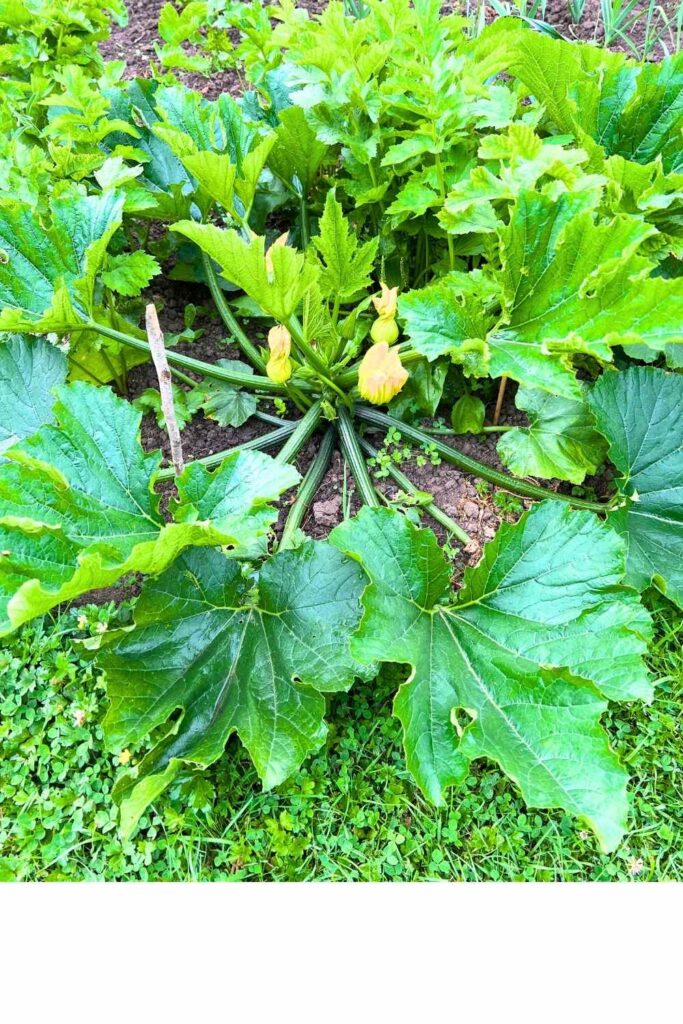
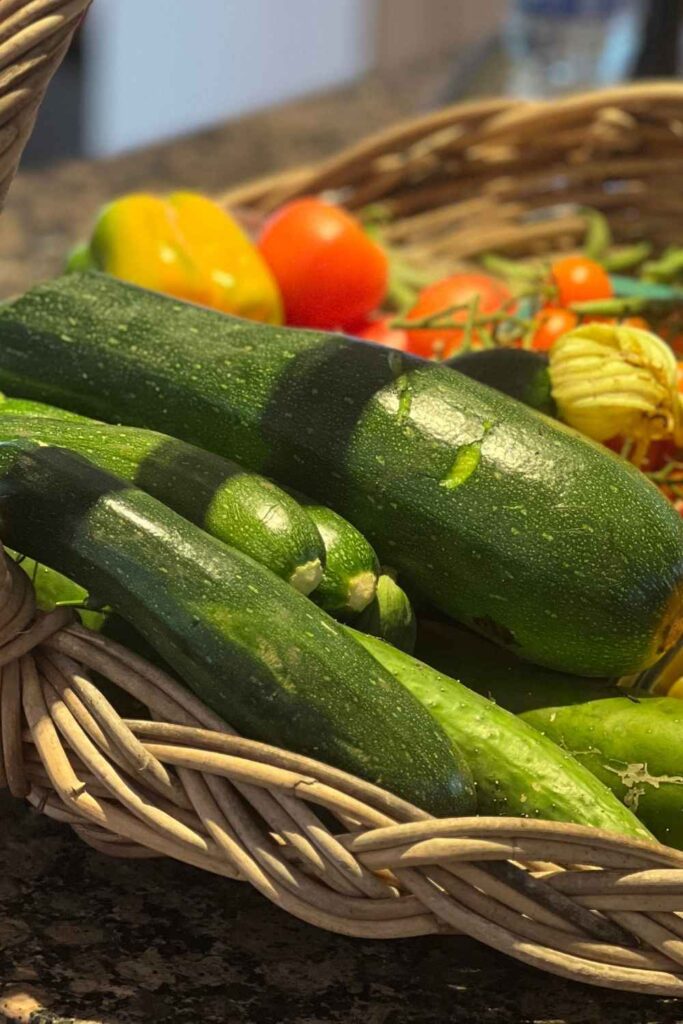
A member of the squash family, a single zucchini plant will produce beautiful yellow flowers and abundant cucumber shaped vegetables which can be cropped all summer long.
Benefits
Zucchini are both decorative and rewarding to grow. The plants will thrive in most soil types and can also be grown very successfully in containers.
We love to eat them sliced and fried in butter, or cut in half longways and roasted on a baking tray (a sprinkling of cheese makes them a meal in themselves). You can also boil them but be careful not to cook them for too long or they will become soggy and flavorless. And of course they are the staple ingredient of ratatouille!
Challenges
Like all squashes, zucchini are thirsty plants and need regular watering in dry weather. Like pumpkins, they can be prone to powdery mildew which while unsightly doesn’t usually impact on the plant’s productivity.
Zucchini plants are big. You are looking at full grown plant that could be as much as three feet across. But because they are so productive, a couple of plants will probably keep a family of four going for months!
Growing guide
Zucchini are tender and should not be planted outdoors until after the last frost, but you can get them started before then on a windowsill indoors.
Plant one or two seeds per pot and when you transplant outside leave plenty of space (two to three feet) between them. Remember, these are big plants.
It’s a good idea to buy new zucchini seeds each year, there have been a few incidences of people making themselves ill by eating zucchini grown from seeds they have gathered from their own plants.
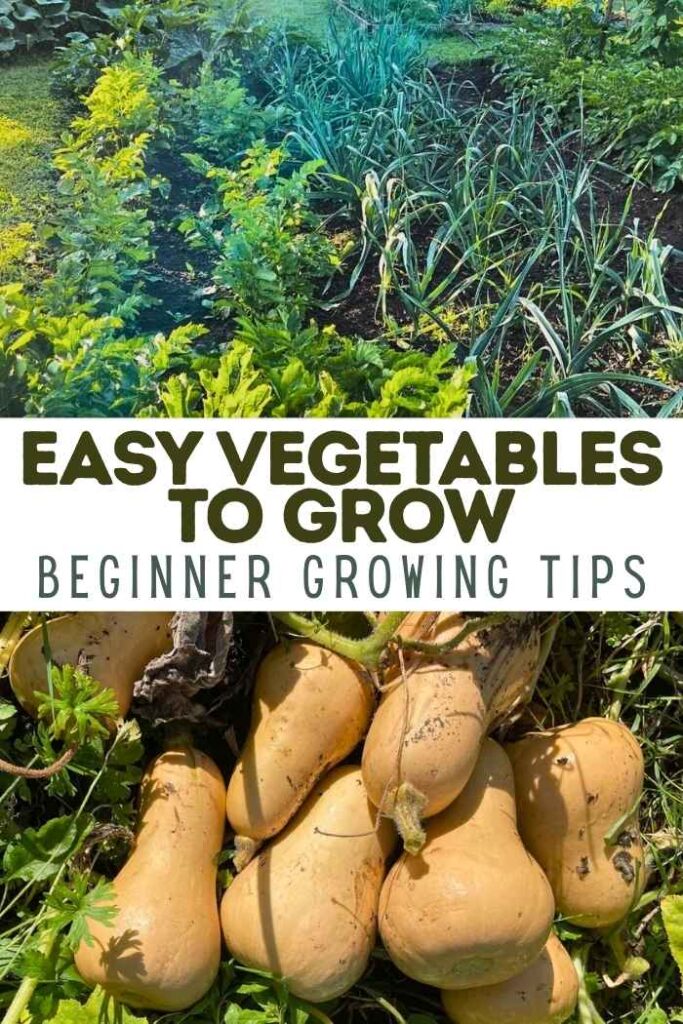
#8 Butternut Squash
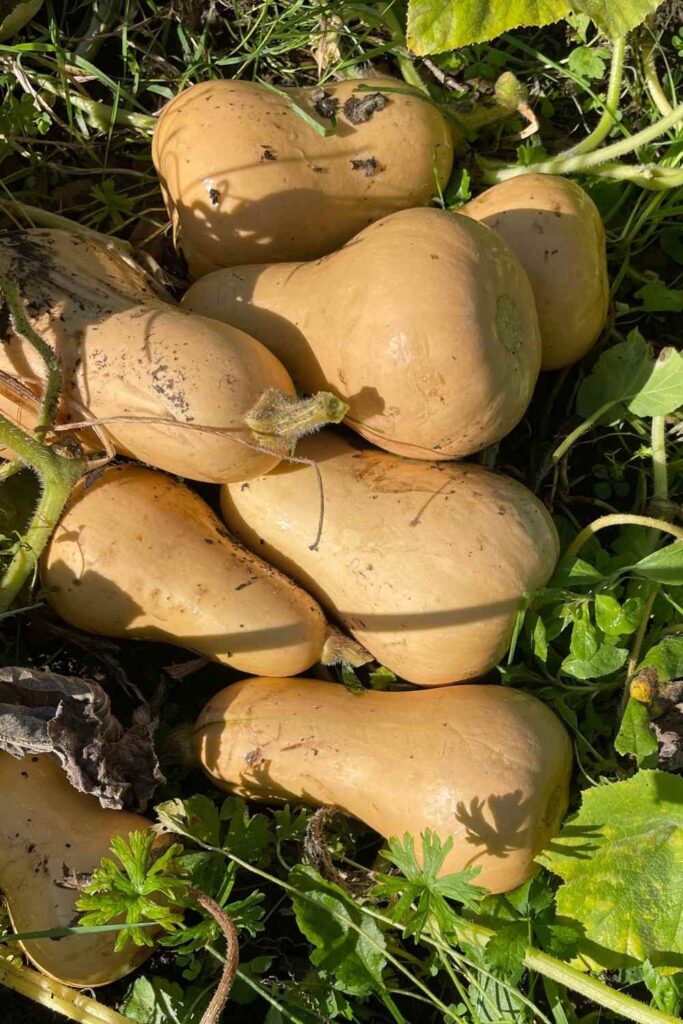
Butternut is our absolute favorite type of squash. Their sweet nutty fruits are amazing roasted, and make a great, nutritious addition to any meal.
Plus butternut squash soup served with crusty bread has to be one of the best light meals ever!
Benefits
Butternut squash, like zucchini, are hugely generous. Each plant will produce many, large, tasty, nutritious and filling squashes.
They are pretty relaxed about soil and weather and tolerate periods of cool, wet weather, and cope well with hot spells.
Challenges
Butternut squash likes to spread out – the vines travel along the ground with enthusiasm. Though with some support they can be grown vertically.
They take a long time to reach full size and ripen, and appreciate plenty of sun and generous watering as the fruit start to mature, in order to reach their best.
Quick guide to growing butternut squash
You can start your seeds indoors in little pots, and plant out two to three feet apart after the last frost. You’ll get larger fruit if you are generous with your homemade compost. Water regularly.
Once they are full size you can leave the squash on the vine to cure in the sunshine and once the skin is hard, you can store them in a cool dry place for weeks if not months. Or you can chop them all into cubes and spread them out on a sheet in the freezer then pack into boxes or bags once frozen for a nice pourable frozen stash.
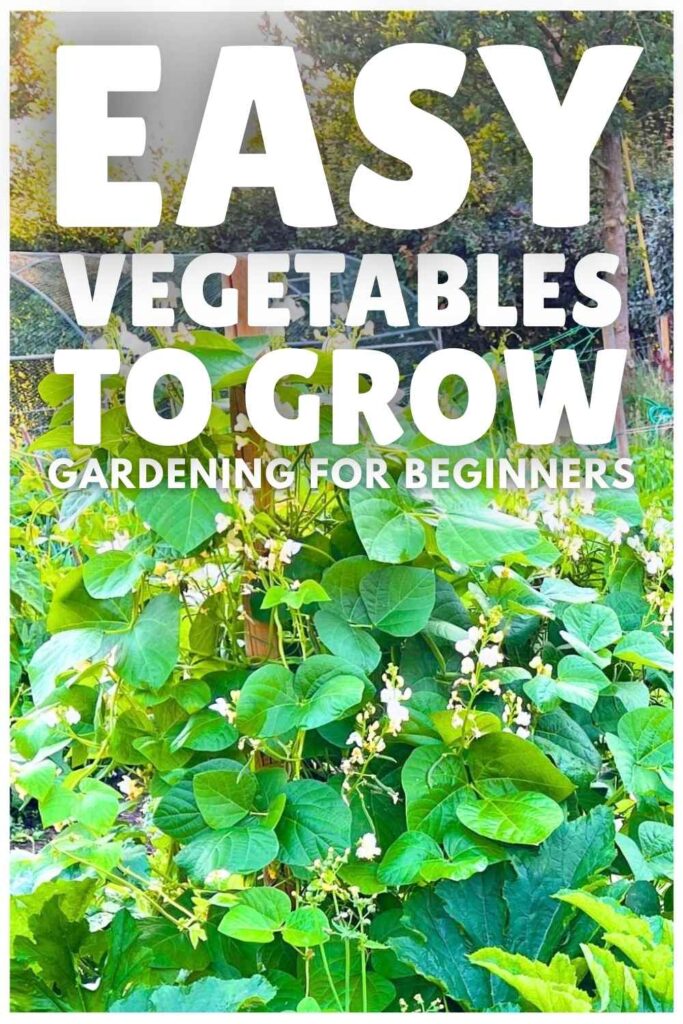
#9 Green Beans
I love the little dwarf green beans that grow on bushes, my family have always called them French beans. Some people call them ‘bobby beans’.
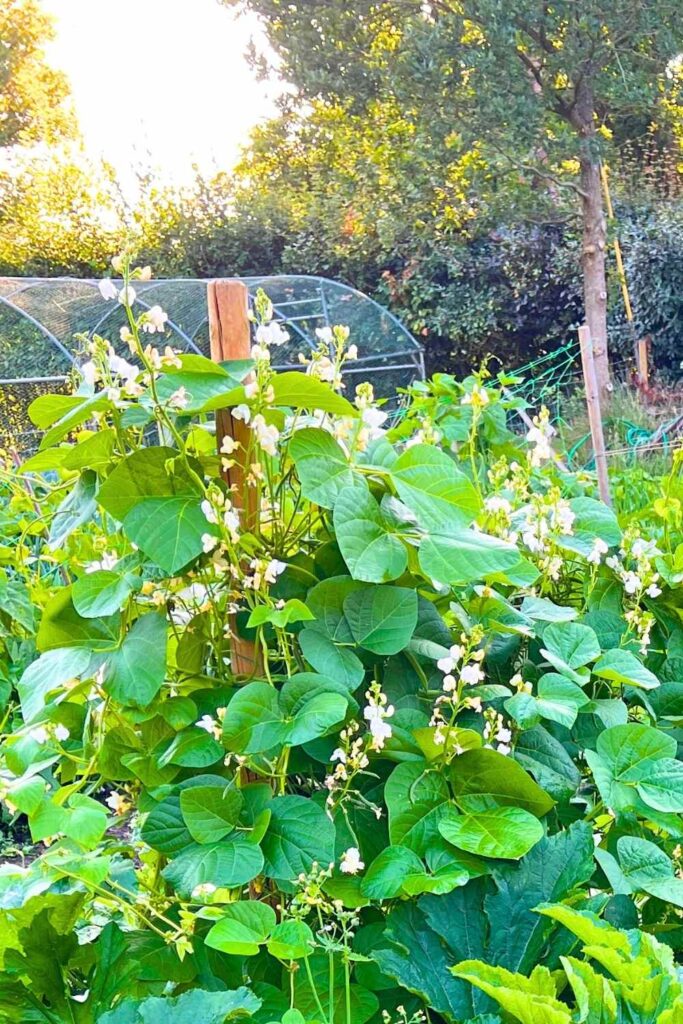
We also grow runner beans, also known as string beans or climbing beans as my husband loves these. We grow these more as a tradition than anything else, and because they look just glorious with their trailing white or scarlet flowers tumbling off the eight foot poles we set up for them.
Benefits
You don’t need a lot of patience to grow green beans, they grow fast and furious. And they crop heavily throughout the summer. They are delicious lightly steamed the day they are picked, but they also freeze well so you can enjoy them all winter long.
Beans, like other legumes, also help to improve soil health by fixing nitrogen in the soil. So make sure not to pull out the roots at the end of the season.
Challenges of growing green beans
Green beans are quite thirsty and hungry plants and the climbing varieties need support. They can be extremely prolific and if not cropped daily when young and tender can quickly go tough and stringy.
Quick guide to growing green beans
Some people dig a trench before they plant their beans and line the bottom with newspaper or cardboard to help retain moisture, followed by a layer of compost or rotting vegetation before adding potting soil at the top. I confess we don’t usually go to this much trouble, but if you do, you’ll probably get much better crops
To support climbing beans, you can grow four to six plants in a circle up a wigwam of poles. Or you can grow two rows up vertical poles lashed to a horizontal pole above them.
Plant your beans at the foot of each pole when the soil has warmed up. Alternatively plant them in pots, indoors and move them outside when the weather improves.
You can put one or two beans in each 3 inch pot. Fill the pot with good quality potting soil and push a one inch hole into the soil with a finger. Drop a bean into each hole and lightly cover with soil. Water well, and leave on a warm sunny windowsill.
Crop your beans frequently and early! They will keep making more beans for several weeks after the first one appear.
For more information read: Getting Started With Green Beans
Vegetable Gardening Isn’t Hard
It can be daunting when you are not sure where to begin, but vegetable gardening isn’t too difficult. Maybe pick just one of these delicious veggies and go from there.
If you don’t have much space in the ground, many of these plants will grow happily in a container outside your back door. Nice and convenient for watering. And ready for picking when you need them.
Good luck and happy gardening!
You Might Also Enjoy