The Cost of Conquering Thrips on Houseplants
I have had, what I can hand on heart describe, as a bit of tragedy recently when it comes to my houseplants. I know, that sounds like an exaggeration, but any enthusiastic home gardener will know that these precious plants aren’t just interior decorations.
I have put hours of research, love and effort into planting them, propagating them, positioning and adjusting them, pruning them and watching them grow. So when I realised that the reason my collection of houseplants looked a bit sad wasn’t because the weather had taken a serious turn and changed the temperature and humidity in my home, but because they were crawling with an infestation known as thrips, really got me unstuck.
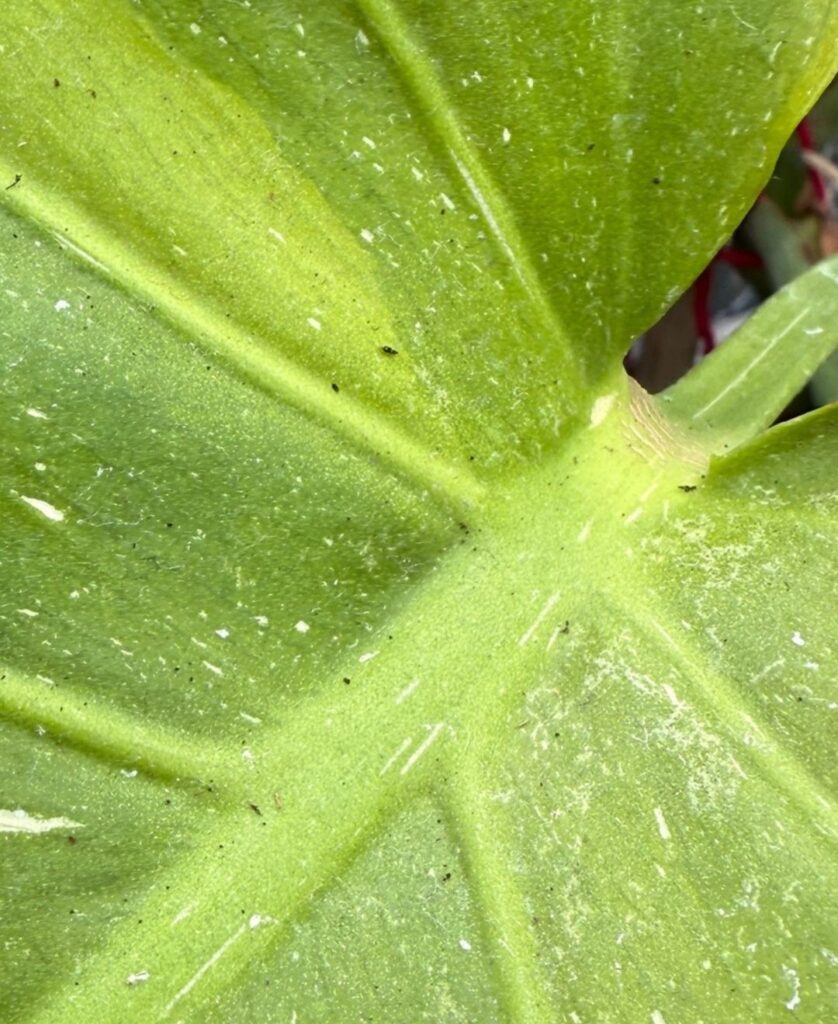
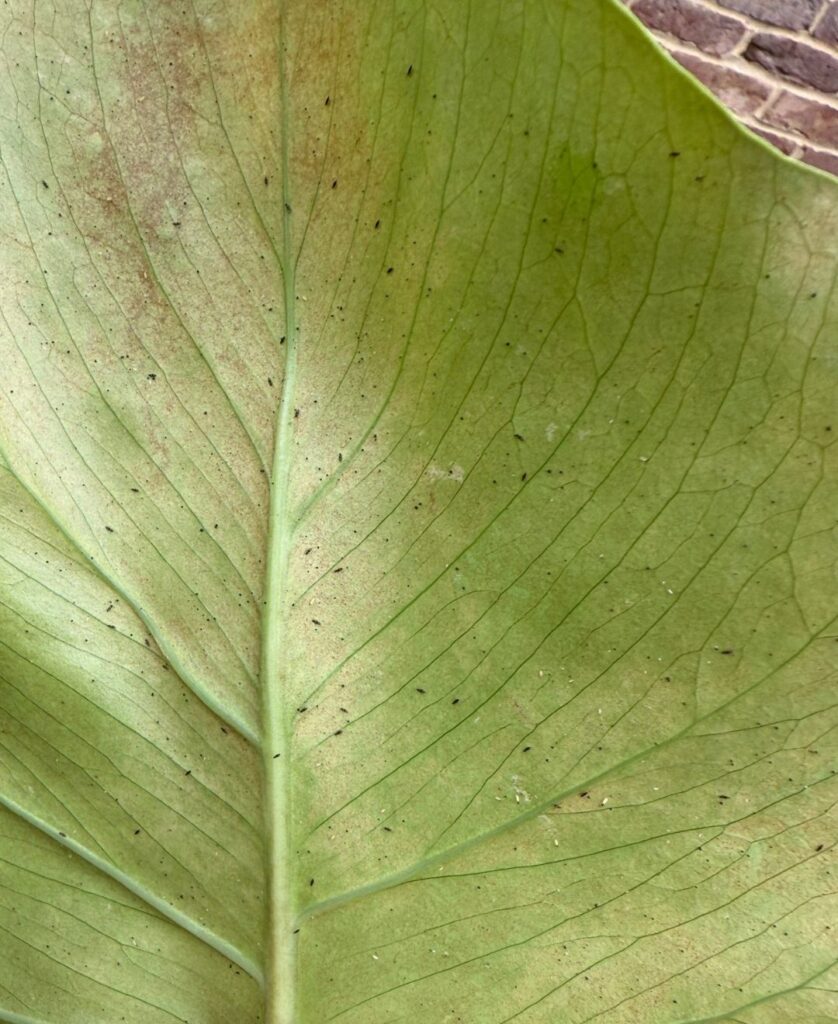
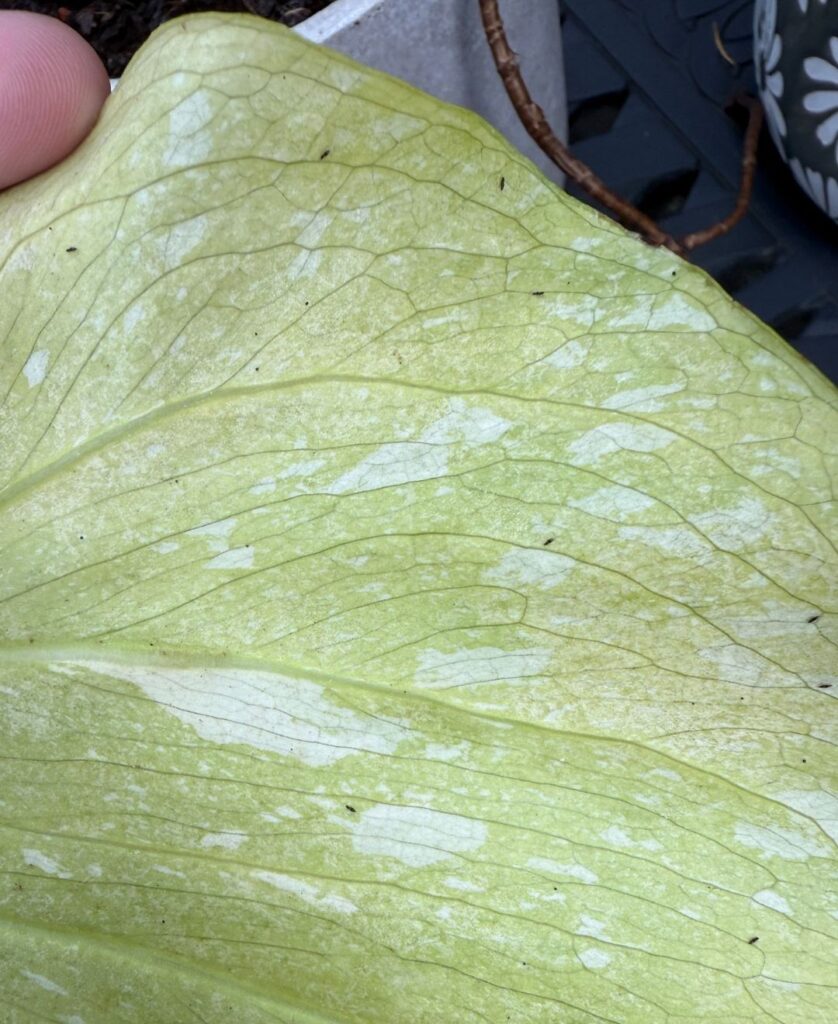
I hate thrips. A long beetle-like creature that lives on, in and destroyed plants. That’s probably not controversial to say, but genuinely, I hate them. They are one of the absolute worst pest problems that a keen collector of rare houseplants like me can face. These tiny little bugs don’t just sit on or devour the leaves and stems, they cut into them, lay eggs inside stems and await their emergence. Protected from chemicals or heat or steam that might destroy other infestations. Hidden, under the surface, to emerge again and take that plant back down.
I sound dramatic, I know. But it really is quite the problem, and I think, I hope, that this time, I’ve won. So i’m going to share what I did, the many rules of houseplants (and use of chemicals) which I broke to achieve it. You can decide whether you think it’s worth the risks I took, for the prize of saving my plants that I think I might have just won, against all odds.
There Is Hope
When you look up dealing with thrips online, it’s pretty bleak. Outdoor plants have a lot more hope, and there are options for all plant types, but the number of concerns and caveats is enough to make the most confident gardener despair.
When I started reading up I was that righteous mixture of furious and upset at how unfair the situation was when I put so much effort to doing things the right way. It seemed unlikely that I would be able to save all the plants, or even most, and some of them I have really struggled to procure, were quite expensive or I have propagated and painstakingly grown up myself. There is a lot of time and effort invested, so to have article after article tell me I was probably wasting my time trying was tough.
I am not here to tell you it’s actually very simple, or you can do one thing and 24 hours later plant health will be restored. There are no 5 tricks to success, or 24 hour hacks, but there is hope if you follow a procedure and take great care.
Outdoor Containment
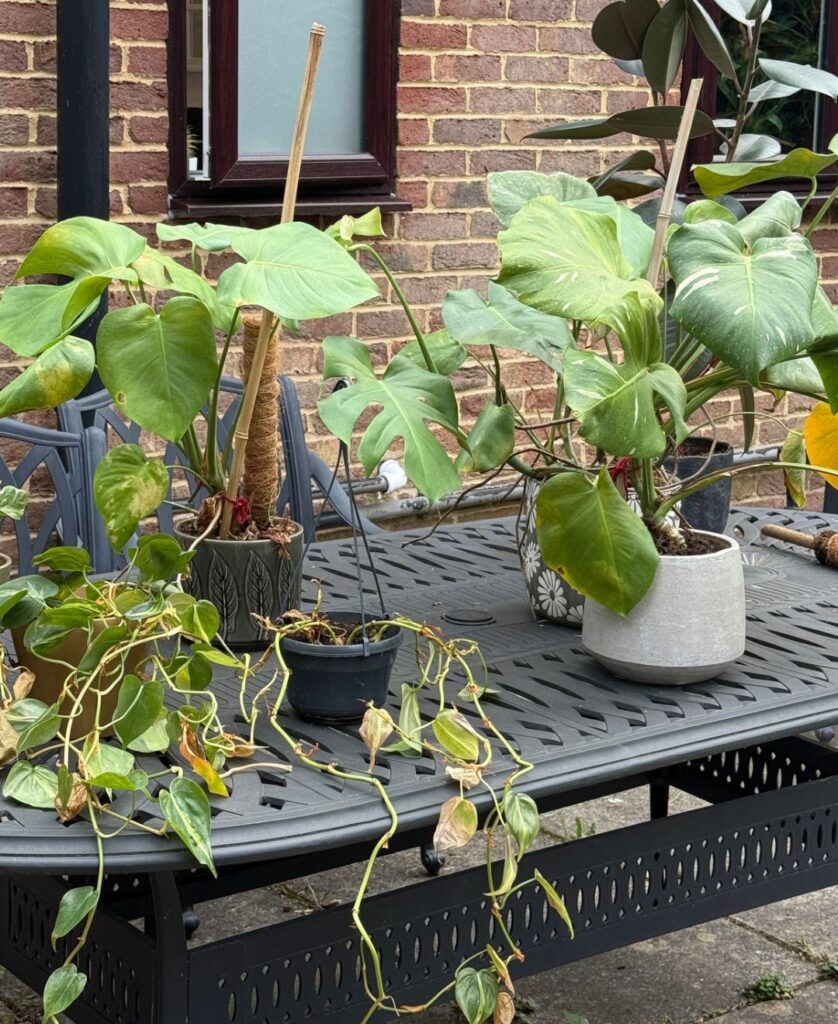
First I put every single plant that had thrips on it outdoors. If I even suspected there was one, I went in the backyard. This left just one plant in the living room, one in the dining room and one in my study.
I wanted to have the thrips out of the house whilst I treated them for two reasons. Firstly, I didn’t want any chance of them spreading to the unaffected plants, but mostly because I knew I was going to have to use something very strong if I had any chance of getting rid of them.
Save or Discard
Once all the plants were in the backyard, I made the horrible decision to dispose of a few of them. These were the smaller plants that were so overrun that I didn’t see how they had any hope of surviving even after the thrips were removed.
There were a handful that had a lot of infestation on them, but I decided to try with because they were either large and established so had a fighting chance, or because they were valuable like my Thai Constellation Monstera variety.
Humidity
The next thing I had to consider was humidity. I know thrips aren’t a fan of very humid environments, which is what had enabled the plants I have in terrariums to come away thrip free where the rest had been devastated. I weighed up whether it was worth moving the plants to a more humid place in the house like the bathroom, but decided the thrips were too advanced in numbers for me to be confident this would help. Plus, a few of the bathroom plants had thrips on them, so clearly the humidity wasn’t going to cut it.
Predators vs Pesticides
I spent several hours researching thrips. I knew that my sister and Mom had dealt with them before, so I chatted through the options with them too.
My mum had successfully introduced a predator to get rid of her thrips, but there were two big differences. Firstly, her impacted plants were outdoors. Secondly, the infestation was so rife on mine that I just wasn’t confident even the most thrip loving predator was going to be able to make a dent.
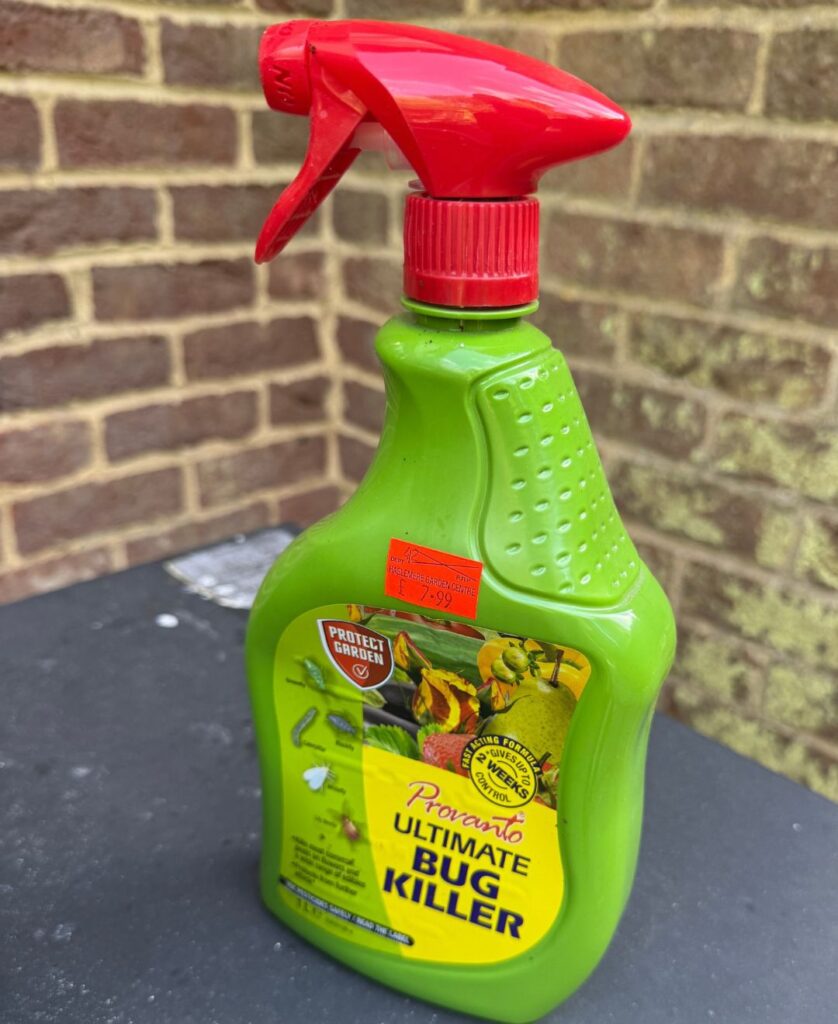
So I headed to the garden center and brought some pesticide. And I broke one of the golden rules of pesticide use, and got one that was for outdoors plants only to use on my indoor plants. Because as far as I could tell from my research, the strength of the indoor plant pesticides was unlikely to be enough to truly deal with the problem.
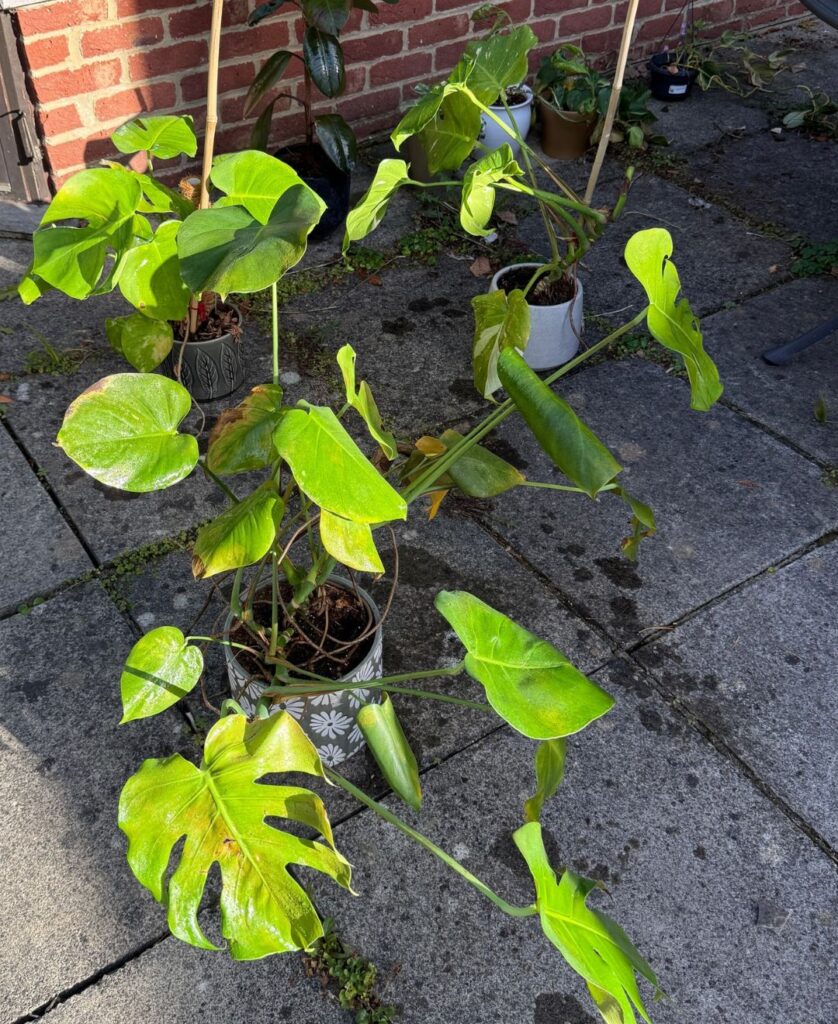
Now, these plants were now in the outdoors, but they would have to stay there for several days between treatments and I had to hope they would cope with the unpredictable English weather.
I put on a face mask and rubber gloves, and sprayed both sides of every single leaf on every plant, and the stems. Nothing was left to chance. I even sprayed over the top of the soil in the pots.
The Waiting and Respraying Game
I then sat back and nervously waited for three days. On day three, the trips were not moving, some had turned into tiny splats, and there was no sign.
But I couldn’t celebrate yet, because they lay their eggs inside the plant, and these new thrips could errupt at any time. So I sprayed everything again in as much detail.
And left them outdoors for three more days.
Indoor Containment
I inspected so closely on that sixth day, but there was no sign of movement from any bugs. I then wiped down every single leaf, and moved the plants into my conservatory. They were more protected from the weather there, and if a thrip or two had survived, at least they wouldn’t be free to contaminate the home again.
Returning To Their Home
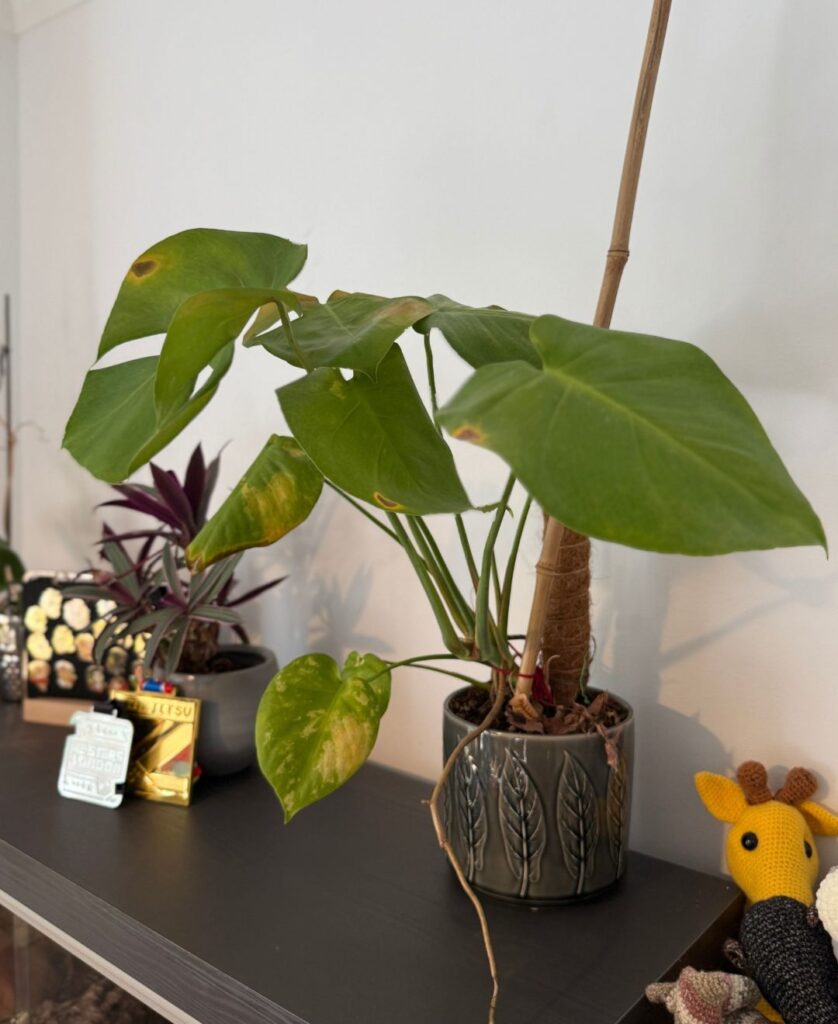
Two days after that, and some painstaking checks, I returned the plants to their rightful homes.
It’s all a bit bitter sweet to be honest.
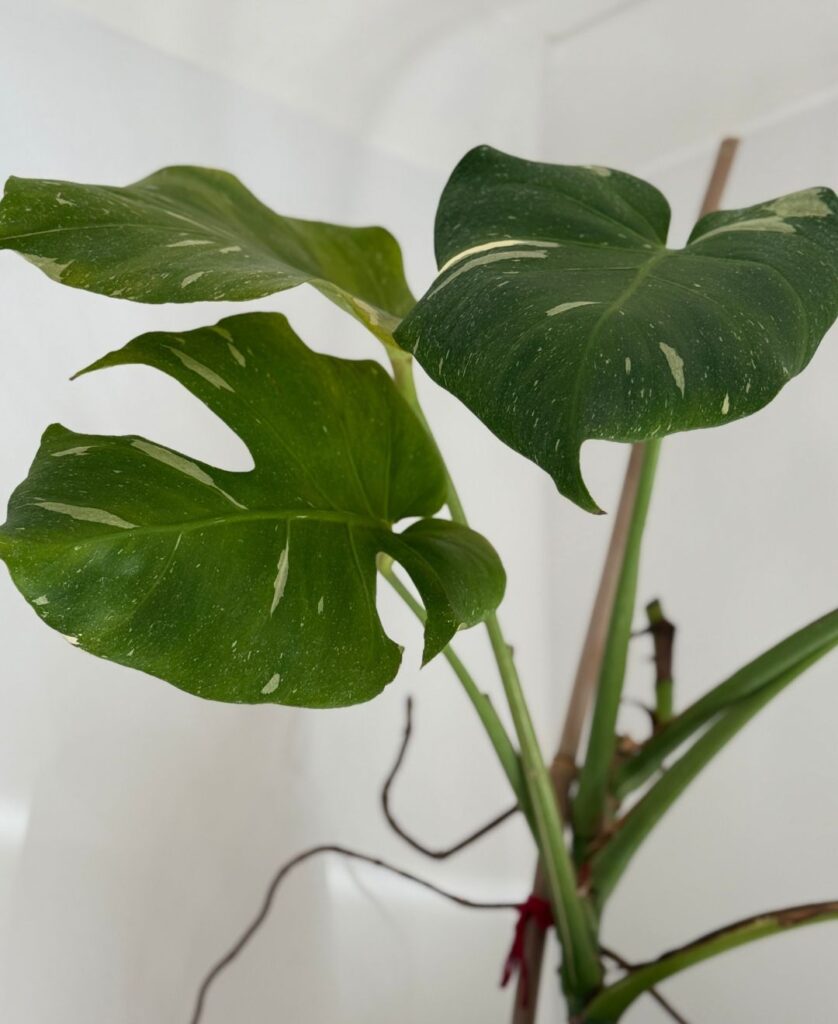
They looked sad when they returned, but they have now all bounced back with just some scars from their hard won battle. But I have a lot of sad empty pots now of the plants I decided not to try to save. This method was so effective that even for the worst cases, I now wish i’d given it a try.
But who knows how that would have ended. Either way, most of my houseplants were saved, the thrips are gone, but I will be regularly inspecting the leafs for any other nasty little trespassers in the future so that I never let it get that bad again.